Srinagar, August 5,2026- Jammu & Kashmir’s tourism sector has witnessed unprecedented growth in the years following the abrogation of Article 370, emerging as one of the strongest drivers of the Union Territory’s economic revival. From approximately 25 lakh tourist visits in 2020 to more than 2.36 crore visitors, the region has experienced a remarkable surge in domestic and international tourism, creating employment opportunities, strengthening local businesses, and transforming the hospitality industry.
The sustained increase in tourist arrivals reflects growing confidence among travellers, improved connectivity, enhanced infrastructure, and a significantly expanded tourism ecosystem. Government initiatives aimed at promoting Jammu & Kashmir as a year-round destination, combined with investments in roads, railways, airports, accommodation facilities, and public amenities, have contributed to the sector’s continued expansion.
Record Tourist Arrivals Signal a Changing Landscape
Tourism has become one of the most visible indicators of Jammu & Kashmir’s changing socio-economic landscape. Over the past several years, destinations across the Kashmir Valley and the Jammu region have recorded consistently high visitor numbers.
The rise from nearly 25 lakh visitors in 2020 to over 2.36 crore tourist arrivals demonstrates the rapid recovery and sustained growth of the tourism sector. Industry stakeholders attribute this growth to improved security conditions, better accessibility, modern infrastructure, and aggressive tourism promotion campaigns.
The momentum has continued into 2026, with tourism businesses reporting strong bookings across hotels, guest houses, houseboats, resorts, homestays, and adventure tourism operators.
Hotels and Hospitality Witness Strong Growth
The surge in tourism has significantly benefited the hospitality sector.
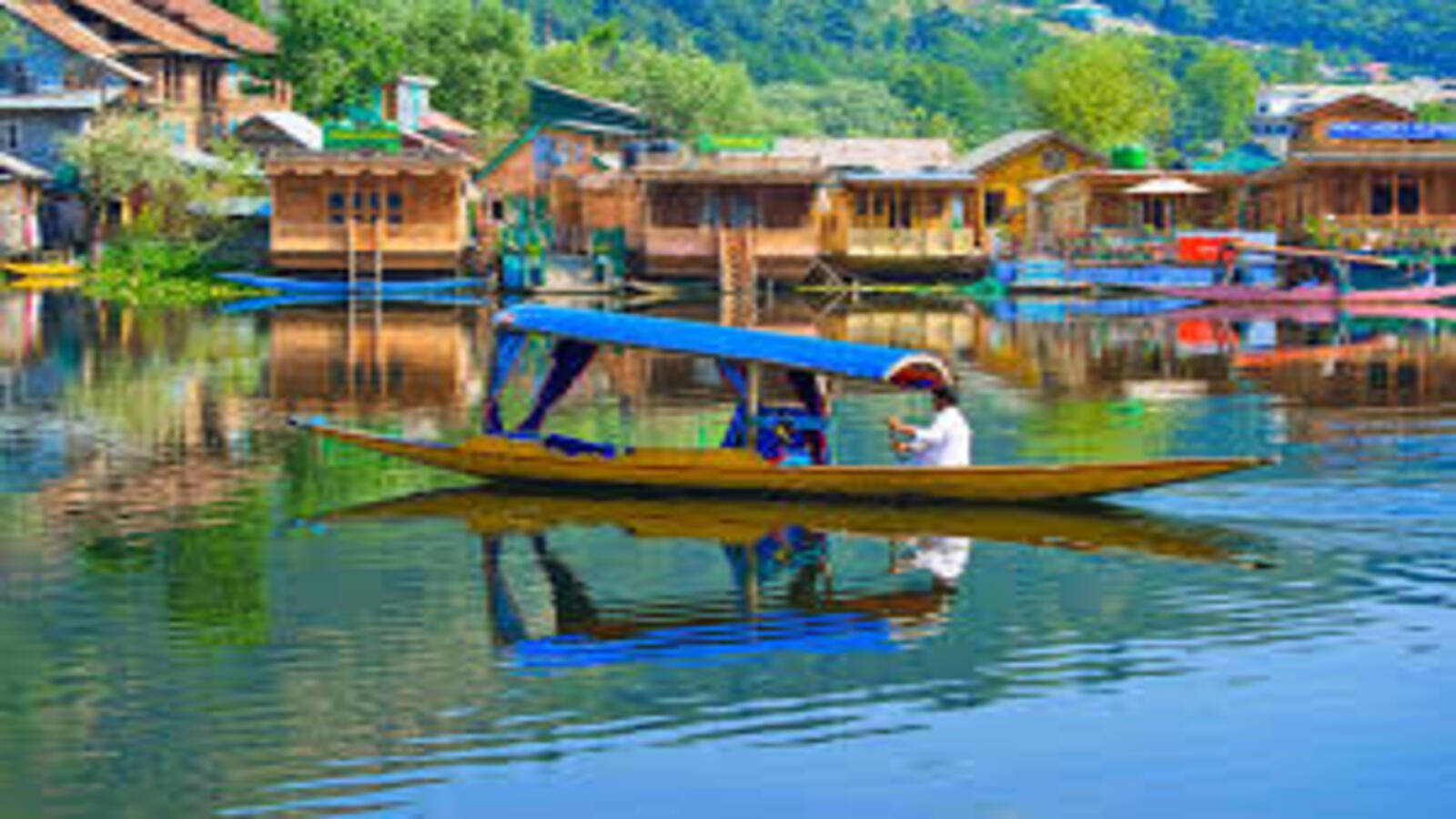
Hotels in major tourist destinations including Srinagar, Gulmarg, Pahalgam, Sonamarg, Doodhpathri, Yusmarg, Patnitop, Bhaderwah, and Jammu have reported high occupancy levels during peak travel seasons. Houseboats on Dal Lake and Nigeen Lake continue to attract large numbers of visitors, while boutique hotels, luxury resorts, and homestays have expanded to meet growing demand.
Restaurant owners, café operators, travel agencies, tour guides, taxi operators, and transport providers have also experienced increased business activity as visitor numbers continue to rise.
The hospitality industry has responded by expanding accommodation capacity, upgrading facilities, and introducing new tourism experiences tailored to different categories of travellers.
Employment Opportunities Expand Across Sectors
Tourism growth has generated employment across multiple sectors of Jammu & Kashmir’s economy.
Thousands of people are now directly or indirectly employed in hotels, restaurants, transportation, handicrafts, photography, adventure sports, event management, food services, retail, and travel operations.
Young entrepreneurs have established tourism-based businesses ranging from trekking services and camping experiences to online travel platforms and cultural tourism initiatives.
The expanding tourism ecosystem has created opportunities not only in urban centres but also in rural destinations, allowing local communities to benefit from increased visitor spending.
Local Businesses Benefit from Rising Visitor Spending
The economic impact of the tourism boom extends far beyond hotels and transport services.
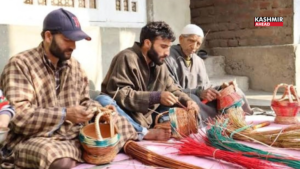
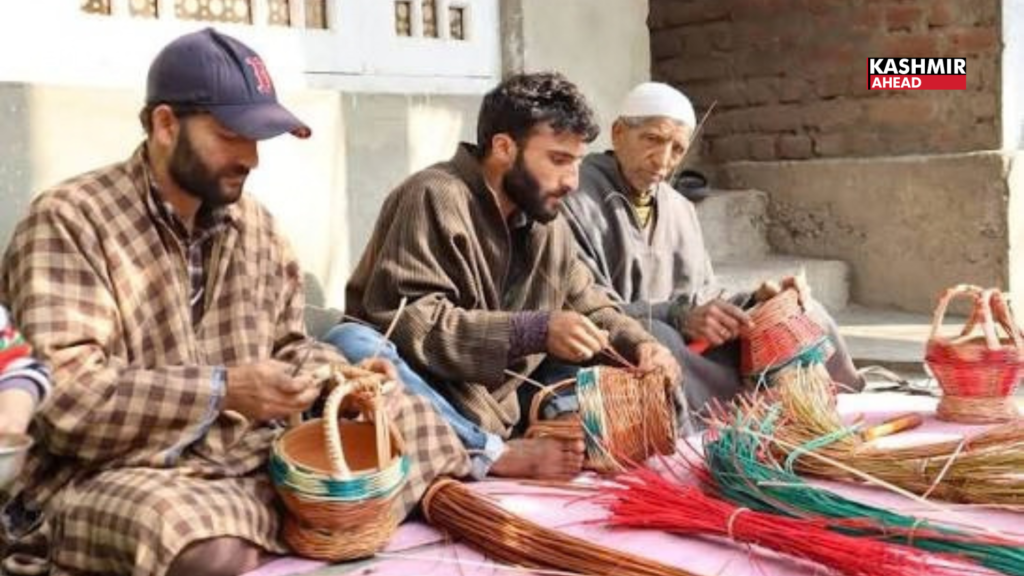
Traditional handicraft industries, including Pashmina shawls, Kashmiri carpets, papier-mâché, walnut wood carving, saffron products, dry fruits, and local handicrafts, have witnessed increased demand from tourists.
Local markets in Srinagar, Gulmarg, Pahalgam, and other tourist destinations have experienced higher footfall, providing improved income opportunities for artisans, shopkeepers, street vendors, and small businesses.
Restaurants serving traditional Kashmiri cuisine, cafés, bakeries, and food outlets have also benefited from growing domestic tourism.
The multiplier effect of tourism spending continues to strengthen the local economy while supporting thousands of small and medium enterprises.
Infrastructure Supports Tourism Growth
Infrastructure development has played a critical role in sustaining the tourism boom.
Major investments in highways, tunnels, bridges, rural roads, airports, and railway connectivity have significantly improved access to tourist destinations across Jammu & Kashmir.
The expansion of Srinagar Airport and Jammu Airport, improved road connectivity to major hill stations, and the completion of rail connectivity to the Kashmir Valley have reduced travel time while making the region more accessible throughout the year.
Modern public facilities, better sanitation, upgraded tourist amenities, improved digital connectivity, and enhanced safety measures have further strengthened the visitor experience.
Adventure and Nature Tourism Gain Popularity
Jammu & Kashmir continues to diversify its tourism offerings beyond traditional sightseeing.
Adventure tourism activities including skiing in Gulmarg, trekking, mountaineering, camping, river rafting, mountain biking, and winter sports have attracted increasing numbers of domestic and international travellers.
Eco-tourism, rural tourism, wellness tourism, and cultural tourism are also emerging as important segments, encouraging visitors to explore lesser-known destinations across the Union Territory.
The government has promoted sustainable tourism initiatives aimed at balancing economic growth with environmental conservation.
Improved Connectivity Enhances Accessibility
Connectivity has become one of the biggest strengths supporting Jammu & Kashmir’s tourism industry.
The integration of railway services with the Kashmir Valley, improved national highways, expanded air connectivity, and better public transportation have made travel easier for tourists from across India.
Digital booking platforms, improved mobile connectivity, online travel services, and enhanced tourism information systems have further simplified travel planning.
The improved transportation network has also facilitated the movement of goods and services supporting hotels, restaurants, and tourism businesses.
Government Initiatives Drive Growth
The Government of India and the Jammu & Kashmir administration have implemented several initiatives to strengthen tourism infrastructure and promote the region as a global destination.
Campaigns highlighting Kashmir’s natural beauty, cultural heritage, pilgrimage destinations, winter sports, and adventure tourism have increased the region’s visibility among domestic and international travellers.
Public investments in heritage conservation, tourism infrastructure, road development, destination management, and hospitality training continue to strengthen the sector.
Skill development programmes have also equipped young people with hospitality and tourism-related skills, enabling greater participation in the industry’s growth.
Tourism Powers Economic Revival
Economists view tourism as one of the largest employment-generating sectors in Jammu & Kashmir.
The industry’s expansion supports hospitality, transport, handicrafts, agriculture, horticulture, retail trade, logistics, construction, and entertainment, creating a broad economic impact across the region.
The steady increase in tourist arrivals has encouraged private investment in hotels, resorts, restaurants, recreational facilities, and tourism infrastructure, further accelerating economic activity.
The tourism sector has also contributed to higher demand for locally produced handicrafts, agricultural products, and traditional foods, strengthening rural livelihoods.
Momentum Continues Into 2026
The strong performance of the tourism sector has continued into 2026, with advance bookings indicating sustained visitor interest throughout the year.
Industry stakeholders remain optimistic that improved connectivity, enhanced infrastructure, expanding hospitality services, and continued government support will help maintain the sector’s upward trajectory.
As Jammu & Kashmir continues to strengthen its position as one of India’s premier travel destinations, tourism remains central to the region’s broader economic transformation. Record visitor numbers, expanding employment opportunities, thriving local enterprises, and growing private investment demonstrate the increasingly important role of tourism in shaping the Union Territory’s future.
With millions of visitors discovering the region’s landscapes, culture, heritage, adventure activities, and hospitality, Jammu & Kashmir’s tourism success story continues to contribute to inclusive growth, sustainable development, and long-term economic resilience.