Kashmir, August 5,2026-Seven years after the abrogation of Article 370, Jammu & Kashmir continues to witness significant changes across multiple sectors, with improvements in security, infrastructure, tourism, connectivity, education, healthcare, and economic development. The constitutional changes introduced on 5 August 2019 marked a new administrative phase for the region, and the years since have seen sustained efforts to strengthen governance and accelerate development.
One of the most notable changes has been the improvement in the overall security environment. Compared with previous years, terror-related incidents and stone-pelting cases have declined significantly, allowing normal life to resume in many parts of the Union Territory. Markets remain active, educational institutions function regularly, public events are organised on a larger scale, and residents are able to pursue their daily lives with greater confidence. The improved security environment has also encouraged investment and created conditions for long-term economic growth.
Infrastructure development has emerged as a major driver of transformation in Jammu & Kashmir. Several road, tunnel, bridge and railway projects have enhanced connectivity between districts and reduced travel time. The expansion of the railway network has brought the Kashmir Valley closer to the rest of the country, improving mobility for passengers and facilitating trade and tourism. Modern highways, upgraded rural roads and improved transport infrastructure are connecting remote regions with markets, healthcare facilities and educational institutions.
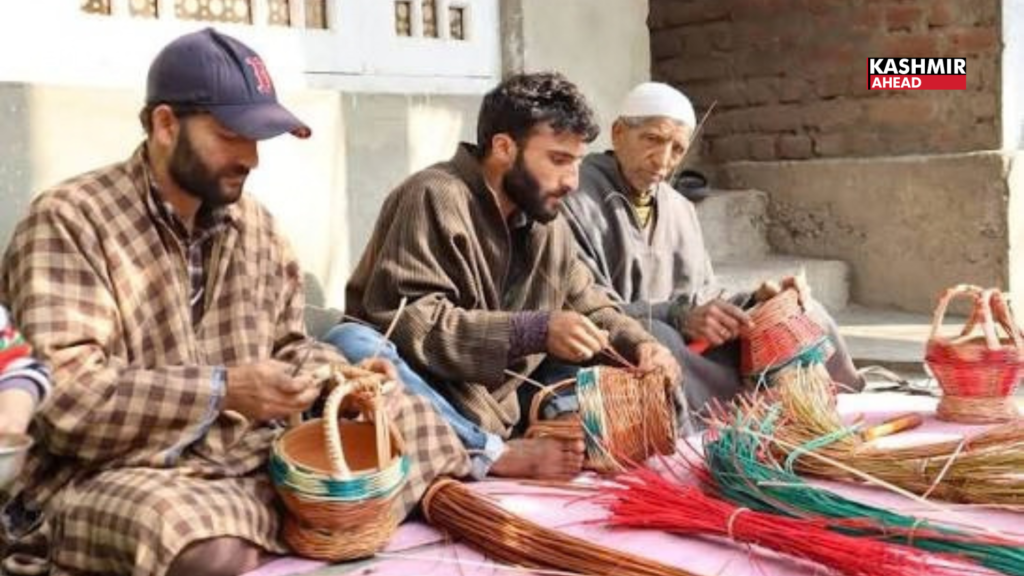
The tourism sector has recorded remarkable growth over the past few years. Destinations such as Srinagar, Gulmarg, Pahalgam, Sonamarg, Patnitop and Bhaderwah continue to attract millions of visitors annually. Increased tourist arrivals have provided a major boost to hotels, restaurants, transport operators, artisans, handicraft businesses and local entrepreneurs. Tourism has become an important source of employment and income for thousands of families across Jammu & Kashmir.
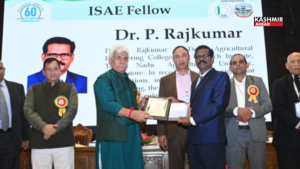
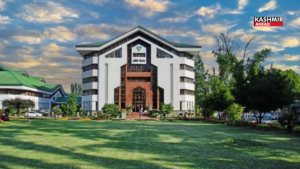
Education and healthcare have also witnessed considerable expansion. New educational institutions, improved school infrastructure, digital learning initiatives and skill development programmes are creating greater opportunities for students and young professionals. Investments in hospitals, medical colleges, primary healthcare centres and telemedicine services have strengthened healthcare delivery while improving access to quality medical facilities.
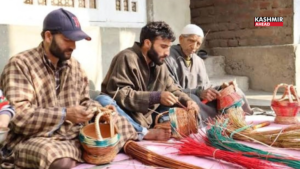
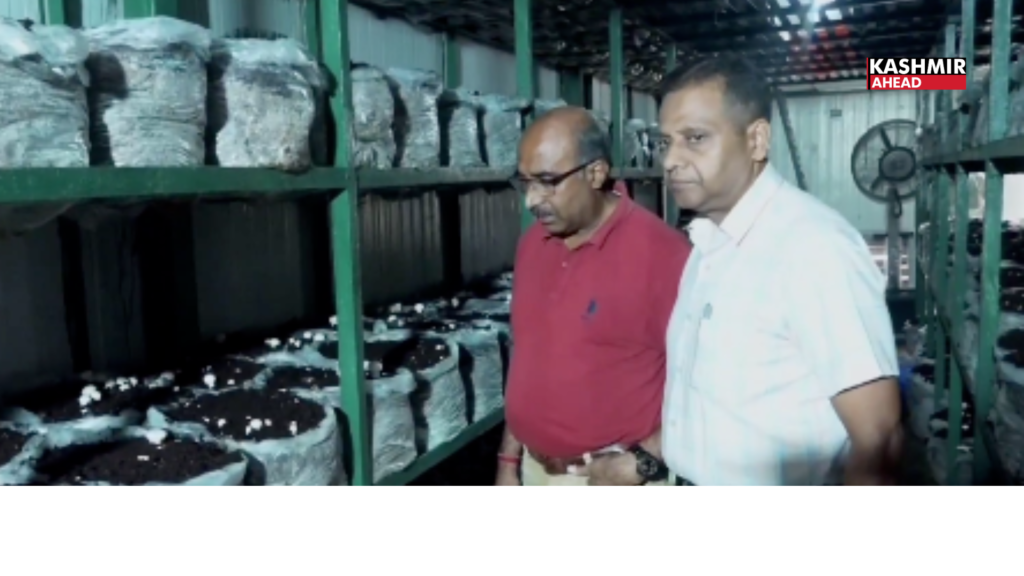
Employment generation and entrepreneurship remain central to the region’s development agenda. Government initiatives promoting start-ups, industrial investment, agriculture, horticulture, handicrafts and tourism are opening new avenues for livelihoods. Young entrepreneurs are increasingly establishing businesses in sectors such as technology, hospitality, food processing, digital services and e-commerce, contributing to the region’s growing economy.
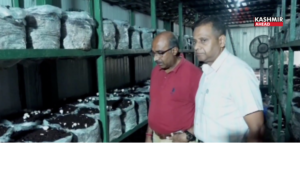
Agriculture and horticulture continue to play a vital role in Jammu & Kashmir’s economy. Apple cultivation, saffron production, walnut farming, floriculture and other high-value crops are receiving support through improved infrastructure, better market access and modern farming practices. These initiatives are helping increase farmers’ incomes while strengthening the region’s agricultural economy.
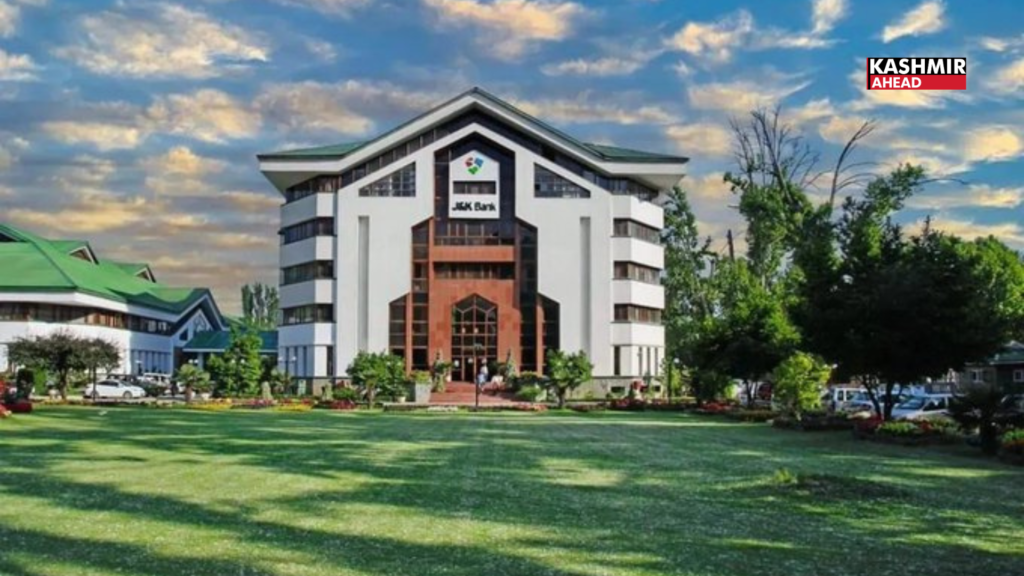
The expansion of digital infrastructure and public services has further improved governance. Citizens now have better access to online government services, banking, education, healthcare and welfare schemes. Enhanced digital connectivity is supporting businesses, students and entrepreneurs while promoting greater administrative efficiency.
Seven years after the abrogation of Article 370, Jammu & Kashmir continues to move forward with a renewed focus on peace, development and inclusive growth. While challenges remain, ongoing investments in infrastructure, education, healthcare, tourism and employment are contributing to a changing socio-economic landscape. The region’s progress reflects sustained efforts to improve connectivity, strengthen public services and create opportunities for future generations, marking a new chapter in Jammu & Kashmir’s development journey.