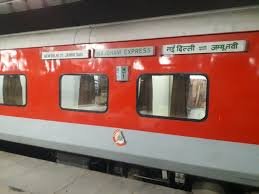
Jammu, December 5 — In a relief measure for passengers affected by widespread flight disruptions, Indian Railways has added an extra 3rd AC coach to the Jammu–New Delhi Rajdhani Express. The temporary enhancement, effective for one week, aims to accommodate the surge in travellers who have been left without options due to repeated flight cancellations from Jammu airport.
The decision comes amid operational issues faced by several airlines, leading to last-minute cancellations and mounting frustration among passengers. With many travellers struggling to secure alternative connections to the national capital, the railways’ move is being seen as a timely intervention.
Additional Capacity to Ease Passenger Rush
Officials confirmed that the extra coach has already been attached to Train No. 12426 and will run daily during the week-long arrangement. The 72 additional berths are expected to significantly ease the pressure on ticket bookings, particularly for urgent travel to Delhi.
Passengers can book tickets on the newly added coach through regular reservation channels. Railway authorities have advised early booking due to high demand triggered by the ongoing air-travel disruption.
Airline Troubles Force Shift to Rail Travel
Jammu witnessed a spike in travel chaos this week after multiple flights, especially those bound for Delhi, were cancelled or delayed. With no clarity on when normal operations will resume, many travellers have been forced to switch to rail transport at short notice.
Local passengers welcomed the extra coach, calling it the only dependable solution during the period of unpredictable flight schedules.
Railways Steps Up During Crisis
This is not the first time Indian Railways has stepped in during air-travel disruptions. Over the years, the national transporter has consistently added coaches and operated special services during emergencies, peak seasons, and sudden travel surges.
The latest decision underscores the railways’ role as a vital fallback option, especially in regions where air connectivity is frequently affected by weather, technical issues, or operational constraints.