Katra, February 18, 2026- Manoj Sinha has reassured residents of Katra that the proposed ropeway project for the revered Shri Mata Vaishno Devi shrine will not jeopardize anyone’s livelihood, addressing long-standing concerns among local stakeholders dependent on the annual pilgrimage.
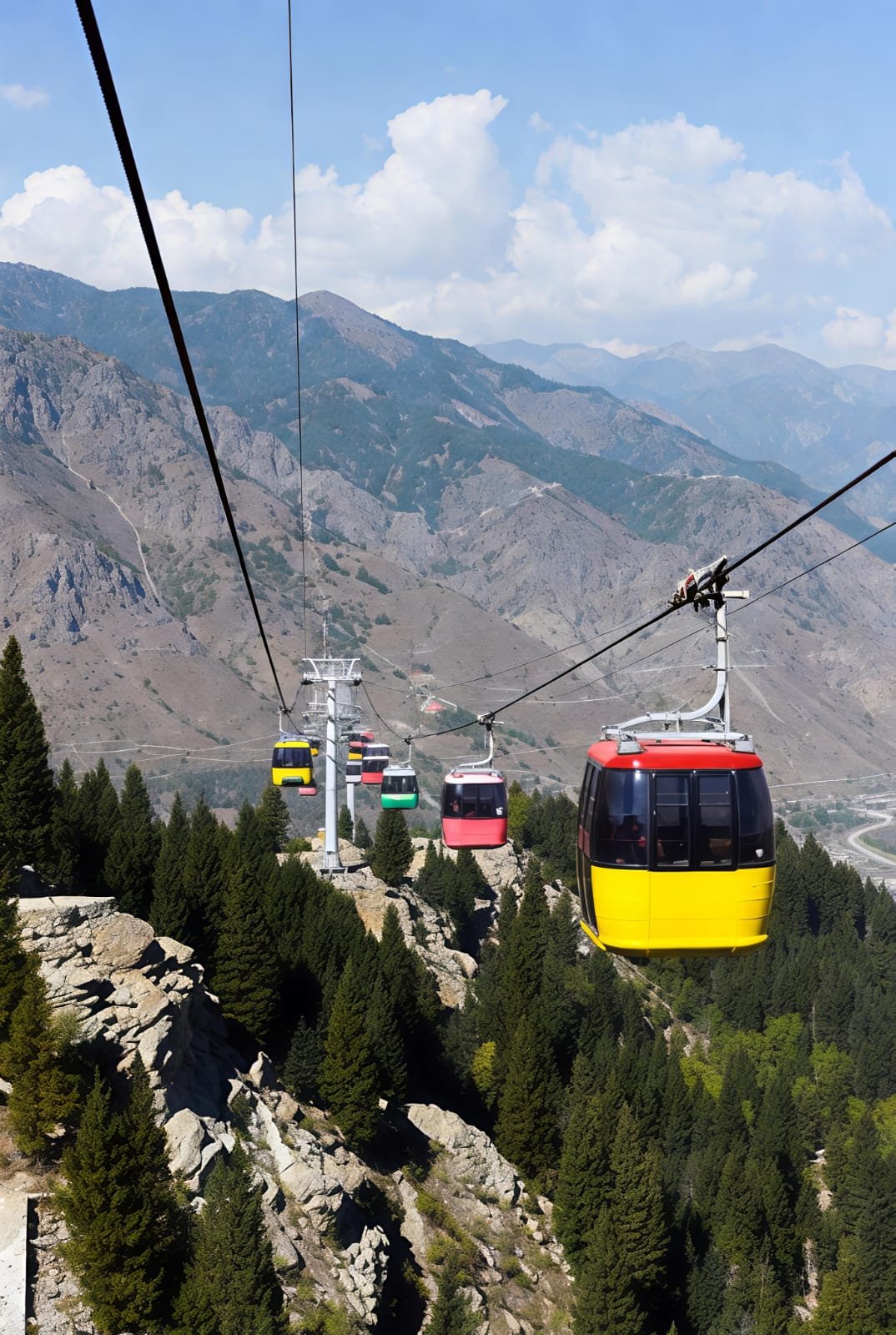
Katra, the base camp for the shrine, is home to thousands of shopkeepers, pony operators, porters (pithuwalas), and palanquin bearers (palkiwallas), whose incomes largely depend on pilgrims trekking the traditional 12–14 km route to the Bhawan. The proposed ropeway, estimated to cost around ₹250–300 crore, aims to connect Katra or nearby points such as Tarakote to higher locations like Sanjhi Chhat or directly to the Bhawan, making the pilgrimage more accessible.
Concerns Over Traditional Route
Local service providers fear that a direct ropeway could significantly reduce footfall along the traditional trekking path, affecting shops, eateries, and hired services en route. Over the past year, Katra has witnessed bandhs, demonstrations, and threats of hunger strikes as stakeholders demanded clarity and safeguards.
The Lieutenant Governor’s latest assurance, reported on February 18, 2026, emphasized that no decision would undermine the livelihoods of those dependent on pilgrimage-related activities. He reiterated that stakeholder consultations remain a priority and that safeguards will be built into the project framework.
Accessibility and Infrastructure Boost
Supporters of the ropeway project argue that it will greatly benefit elderly devotees, persons with disabilities, and pilgrims who find the steep trek challenging. The ropeway is also expected to enhance emergency evacuation capabilities and potentially increase overall pilgrim footfall.
A ropeway between the Bhawan and Bhairon Temple is already operational, offering a shorter connectivity segment and serving as a precedent for modern infrastructure upgrades in the shrine area.
Possible Safeguards for Locals
According to officials, the administration is considering multiple measures to protect local interests, including:
- Alternative livelihood opportunities
- Compensation or rehabilitation mechanisms
- Integration of local service providers into the new system
- Ensuring the continued viability and promotion of the traditional trekking route
Earlier, the Lieutenant Governor had formed committees to engage with stakeholders and address their concerns. The ongoing dialogue aims to build trust and strike a balance between development and local employment.
Political Context
Amid the debate, Chief Minister Omar Abdullah clarified that the ropeway proposal had received approval under the previous Lieutenant Governor-led administration in 2024, and not under the current elected government, adding a political dimension to the issue.
Way Forward
The assurance from the Lieutenant Governor seeks to calm tensions in Katra and project the ropeway as a people-centric initiative designed to benefit pilgrims without harming the economic ecosystem built around the yatra.
Discussions and stakeholder meetings are expected to continue in the coming weeks as authorities work toward a consensus on the ambitious infrastructure project.