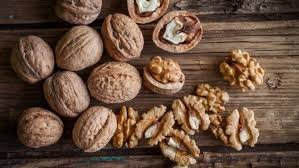
Kashmir , 21 September 2025- In a welcome turn of events for the beleaguered horticulture sector, Kashmiri walnuts are experiencing a remarkable resurgence, with prices in Uri’s bustling Lagama market doubling to ₹1,200 per kilogram. This surge, attributed to escalating US tariffs on agricultural exports and a spike in domestic demand, is injecting much-needed financial relief into the lives of local farmers and traders, spotlighting the region’s premium dry fruit industry.The walnut orchards of Uri, nestled in the lush valleys of north Kashmir, have long been a cornerstone of the local economy. However, years of competition from cheaper imports—primarily from California—kept prices stagnant around ₹600 per kg, squeezing margins for growers and forcing many to diversify into less lucrative crops. “For too long, foreign imports flooded the market, undercutting our hard-earned produce,” said Mohammad Amin Chalkoo, president of the Dry Fruit Association Uri, speaking to reporters amid stacks of freshly harvested nuts at Lagama’s trading hub. “This year feels like a breath of fresh air. Our walnuts are finally getting the recognition they deserve.”
The Tariff Trigger: A Blessing in Disguise
The catalyst for this boom lies in the renewed trade frictions between India and the United States. Recent US-imposed tariffs, including hikes on nuts and other agricultural goods, have prompted India to curb walnut imports significantly. This retaliatory measure, echoing past escalations like the 2018-2019 trade spat, has reduced the influx of affordable American varieties, allowing homegrown Kashmiri walnuts to fill the void.Jammu & Kashmir, which accounts for nearly 98% of India’s walnut production—around 3.5 lakh quintals annually—stands to benefit immensely. Over seven lakh families depend on these orchards for their livelihoods, and the price doubling could translate into crores in additional revenue for the region. “It’s a blessing in disguise,” echoed Doctor Arif Khan, a Kashmir-based health advocate and commentator, in a recent social media post. “Kashmiri walnuts, once sold at ₹600/kg, are now fetching ₹1,200. Growers are thankful to the government’s firm stance on trade.”Local traders report a 30-40% uptick in orders from urban centers like Delhi and Mumbai, where health-conscious consumers are increasingly favoring indigenous, nutrient-rich alternatives. Kashmiri walnuts, prized for their rich omega-3 content and earthy flavor, are being marketed aggressively as a premium, tariff-proof choice.
Rising Local Demand Fuels the Fire
Beyond tariffs, a surge in domestic consumption has amplified the effect. Post-pandemic wellness trends have boosted demand for superfoods, with walnuts leading the pack due to their heart-healthy fats and antioxidants. E-commerce platforms and urban supermarkets are stocking up, while export bans on certain varieties have redirected supply inward.In Lagama, the air buzzes with optimism. Farmers like Ghulam Nabi, a third-generation grower from Boniyar village, shared stories of expanded planting. “Last season, we barely broke even. Now, with prices at ₹1,200/kg, we’re planning to replant more acreage. This could revive our entire community,” he said, sorting through glistening kernels under the September sun.Yet, challenges linger. Climate variability and logistics bottlenecks—exacerbated by recent highway disruptions—threaten yields. Experts urge sustained government support, including subsidies for processing units and better cold-chain infrastructure, to capitalize on this momentum.
A Spotlight on Kashmir’s Walnut Legacy
This walnut windfall comes at a pivotal time for Kashmir’s economy, still recovering from geopolitical tensions and natural calamities. As one trader quipped, “From the shadow of imports to the center stage—Kashmiri walnuts are cracking the code to prosperity.”With the harvest season in full swing, Uri’s markets are a hive of activity, symbolizing resilience and renewal. For farmers and traders long in the shadows, the boom isn’t just about higher prices—it’s a testament