Srinagar, June 16,2026- The tourism sector in Kashmir is witnessing a strong revival, with popular destinations across the Valley once again bustling with visitors. Hotels are reporting increased occupancy, houseboats on Dal Lake are welcoming tourists, local markets are witnessing higher footfall, and tourism stakeholders are expressing optimism about the future after overcoming challenges posed by recent setbacks.
The resurgence comes months after concerns emerged following the Pahalgam attack, which briefly impacted tourist sentiment and led to cancellations in bookings. However, the sector has demonstrated remarkable resilience, with domestic travelers leading the recovery and helping restore confidence in one of India’s most iconic tourist destinations.
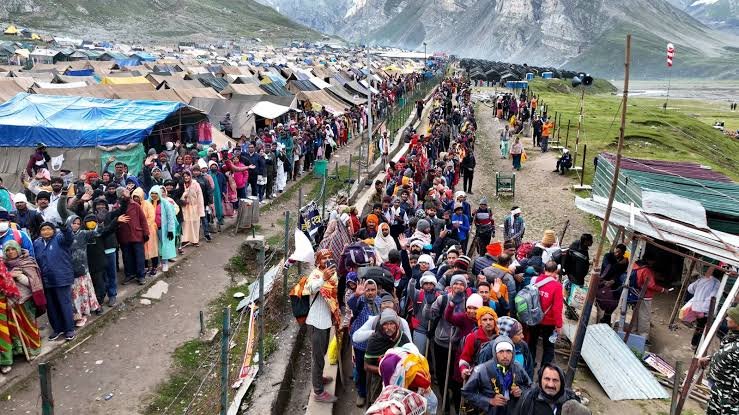
Industry stakeholders believe that the upcoming Shri Amarnath Ji Yatra 2026 could provide an even greater boost to visitor arrivals, economic activity, and overall tourism growth in Jammu and Kashmir. The annual pilgrimage, which attracts lakhs of devotees from across the country, is expected to serve as a major catalyst for both religious tourism and broader travel activity in the region.
Tourism revival brings fresh optimism
Tourism is a vital pillar of Jammu and Kashmir’s economy, supporting thousands of families directly and indirectly. Hotel owners, travel operators, guides, artisans, taxi drivers, restaurant operators, photographers, and handicraft sellers all rely on a thriving tourism industry for their livelihoods.
Despite temporary disruptions earlier in the year, the Valley has witnessed a steady return of tourists. Travel agencies report growing inquiries, hotels are receiving advance bookings, and tourism-related businesses are seeing renewed activity.
Industry experts attribute the recovery to improved connectivity, sustained promotional efforts, infrastructure development, and growing confidence among travelers. Many tourists continue to be drawn to Kashmir’s unmatched natural beauty, pleasant climate, cultural richness, and diverse tourism experiences.
The return of visitors has generated optimism among stakeholders who view the current trend as a positive indicator of long-term growth.
Popular destinations Witness rising footfall
Tourist hotspots across Kashmir are benefiting from the revival.
Srinagar remains one of the most visited destinations, with tourists flocking to Dal Lake, Mughal Gardens, local markets, and heritage sites. Traditional shikara rides and houseboat stays continue to attract visitors seeking an authentic Kashmiri experience.
Gulmarg, famous for its breathtaking landscapes and adventure tourism opportunities, is witnessing increased visitor numbers. The destination remains a favorite among honeymooners, families, and adventure enthusiasts.
Pahalgam, known as the “Valley of Shepherds,” has also seen a gradual return of tourists. The picturesque destination serves as an important tourism hub and one of the key routes for the annual Amarnath Yatra.
Similarly, Sonamarg, Doodhpathri, Yusmarg, Gurez, and several offbeat destinations are attracting travelers looking for unique and less crowded experiences.
Tourism officials say that increasing interest in lesser-known destinations is helping distribute tourism benefits more evenly across the region.
Amarnath Yatra 2026 expected to be a major growth driver
The Shri Amarnath Ji Yatra remains one of the most significant spiritual journeys in India. Every year, lakhs of pilgrims undertake the challenging trek to the sacred Amarnath Cave Shrine located high in the Himalayas.
For tourism stakeholders, the Yatra represents much more than a religious event. It is one of the largest seasonal economic drivers in Jammu and Kashmir, generating substantial business opportunities across multiple sectors.
Pilgrims require accommodation, transportation, food services, medical facilities, communication services, and logistical support. This creates employment and income opportunities for thousands of people associated with the tourism and hospitality sectors.
The influx of devotees also benefits local markets, restaurants, taxi operators, pony owners, porters, and small businesses located along the pilgrimage routes.
Stakeholders believe the Yatra will complement the ongoing tourism revival and help sustain economic activity throughout the season.
What Amarnath Yatra 2026 has to offer
Preparations for Shri Amarnath Ji Yatra 2026 are underway with a strong focus on pilgrim safety, convenience, and overall experience. Authorities are working to ensure that devotees not only complete a successful pilgrimage but also experience the warmth and hospitality of Jammu and Kashmir.
One of the key highlights of Amarnath Yatra 2026 will be upgraded infrastructure along both the traditional Pahalgam route and the Baltal route. Improved accommodation facilities, better sanitation services, enhanced drinking water availability, upgraded medical facilities, and expanded food services are expected to significantly improve the pilgrimage experience.
Authorities are also strengthening emergency response mechanisms and healthcare infrastructure to ensure timely assistance for pilgrims. Medical camps, ambulances, emergency teams, and disaster management resources are being positioned strategically along the Yatra routes.
Technology is expected to play a major role in enhancing safety during the pilgrimage. RFID-based tracking systems will help authorities monitor pilgrim movement and improve emergency response capabilities. These systems are designed to strengthen security while ensuring efficient crowd management.
Security arrangements for the Yatra are also being enhanced through multi-layered deployment strategies and modern surveillance technologies. Authorities are focused on ensuring a peaceful and secure environment for devotees throughout the pilgrimage.
Cultural evenings to showcase Kashmir’s heritage
A unique feature of Amarnath Yatra 2026 will be the Department of Tourism’s initiative to organize cultural evenings for pilgrims.
The cultural programs are designed to showcase Kashmir’s rich heritage through traditional folk music, cultural performances, handicraft exhibitions, and local cuisine. Tourism officials hope these events will allow visitors to experience the cultural side of the Valley while strengthening connections between pilgrims and local communities.
The initiative reflects the government’s broader effort to ensure that pilgrims leave with lasting memories not only of their spiritual journey but also of Kashmir’s hospitality and cultural diversity.
For local artists, performers, and artisans, the cultural evenings will provide an important platform to showcase their talents before visitors from across India.
Economic impact beyond religious tourism
The economic impact of the Amarnath Yatra extends far beyond the pilgrimage itself.
Many devotees choose to combine their spiritual journey with sightseeing and leisure travel. After completing the Yatra, pilgrims often visit destinations such as Srinagar, Gulmarg, Sonamarg, Pahalgam, and other tourist attractions.
This trend benefits hotels, guest houses, houseboats, restaurants, transport operators, and local businesses throughout the Valley.
Industry experts describe the Yatra as a powerful driver of tourism diversification. It creates opportunities for religious tourism, cultural tourism, leisure travel, and local commerce simultaneously.
The multiplier effect generated by tourist spending helps support a wide range of economic activities and contributes significantly to employment generation.
Hospitality sector witnesses renewed growth
The hospitality industry is among the biggest beneficiaries of the tourism revival.
Hotels across Srinagar and other major destinations are reporting improved occupancy rates. Houseboat operators on Dal Lake are welcoming more guests, while homestays and guest houses are experiencing increased demand.
Restaurant owners and food businesses are also benefiting from rising visitor numbers. Traditional Kashmiri cuisine continues to be a major attraction for tourists eager to explore the region’s culinary heritage.
Industry representatives say that the positive momentum is helping businesses recover losses incurred during periods of reduced tourist activity.
For many entrepreneurs, the return of tourists has restored confidence and encouraged further investment in tourism-related services.
Local communities reap the benefits
Tourism’s economic benefits extend beyond major businesses and urban centers.
Artisans producing traditional handicrafts, carpet weavers, shawl makers, papier-mâché artists, dry fruit vendors, and souvenir sellers all benefit from increased tourist spending.
Local markets are witnessing improved business activity as visitors purchase authentic Kashmiri products and handmade crafts.
The tourism sector’s broad economic reach makes it one of the most important sources of livelihood across Jammu and Kashmir.
Experts note that tourism generates employment opportunities in both urban and rural areas, helping support inclusive economic development.
Infrastructure development supporting growth
Government investments in infrastructure are playing an important role in supporting tourism growth.
Road connectivity to major tourist destinations has improved significantly, making travel more convenient for visitors. Tourism facilities, sanitation infrastructure, public amenities, and transportation services have also seen substantial upgrades.
Enhanced connectivity is helping tourists access remote and offbeat destinations that were previously difficult to reach.
Authorities believe these improvements will contribute to long-term tourism growth and strengthen Kashmir’s competitiveness as a travel destination.
A positive outlook for the future
The strong revival of Kashmir’s tourism sector has created a sense of optimism among industry stakeholders. With visitor numbers increasing and preparations for Amarnath Yatra 2026 gathering pace, many believe the region is entering a new phase of growth.
The combination of natural beauty, spiritual significance, cultural richness, improved infrastructure, and warm hospitality continues to attract travelers from across India and beyond.
For thousands of families dependent on tourism, the recovery represents more than economic growth—it represents renewed hope and opportunity.
Stakeholders remain confident that the successful conduct of Amarnath Yatra 2026, coupled with continued promotional efforts and infrastructure development, will further strengthen Jammu and Kashmir’s tourism sector.
As tourists continue to return and pilgrims prepare for one of India’s most sacred journeys, Kashmir is once again demonstrating why it remains among the country’s most cherished destinations. The ongoing revival is being seen by many as a reflection of a changing region—one that is embracing growth, welcoming visitors, and showcasing its immense potential.
For many residents and tourism stakeholders, the phrase “Naya Kashmir, Badalta Kashmir” captures this transformation, highlighting a future where tourism continues to drive development, employment, cultural exchange, and economic prosperity across the Valley.