Srinagar, August 4,2026- Jammu and Kashmir has achieved a historic milestone by being declared a fully literate Union Territory under the ULLAS (Understanding Lifelong Learning for All in Society) scheme. The achievement marks a significant step in the region’s educational journey and reflects years of sustained efforts by teachers, school administrators, education officials, volunteers, and community organizations committed to expanding literacy and lifelong learning.
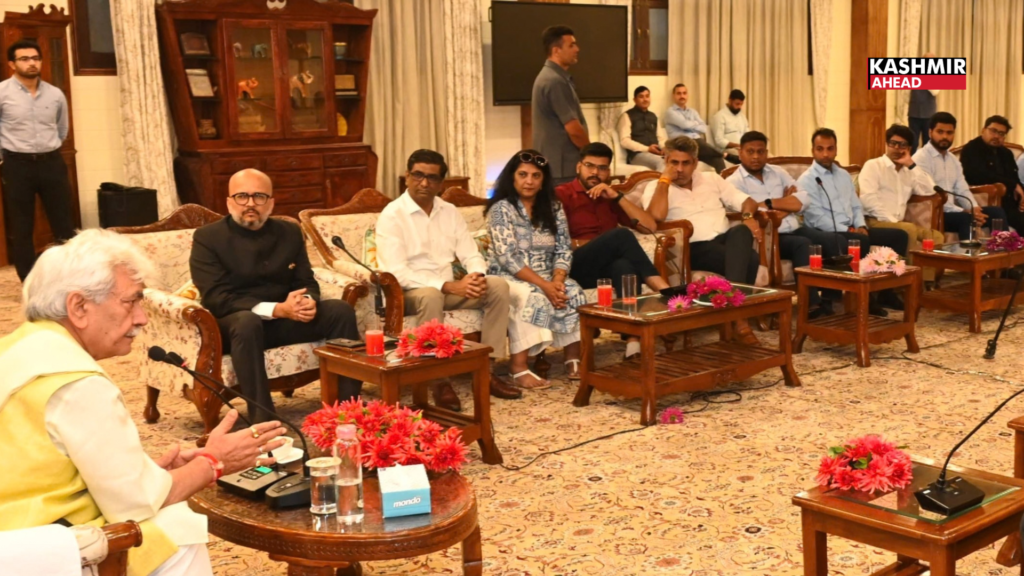
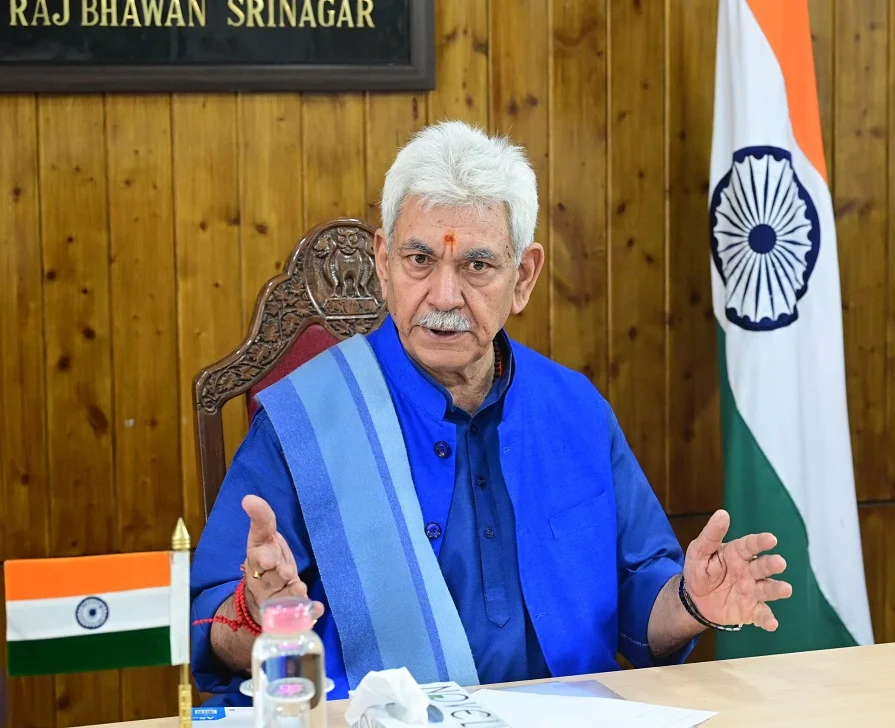
Lieutenant Governor Manoj Sinha congratulated all those associated with the literacy mission, describing the accomplishment as a proud moment for Jammu and Kashmir. He lauded the dedication of educators and stakeholders who worked tirelessly to make literacy accessible to people across urban and rural areas alike.
In his message, the Lieutenant Governor said that education is the truest force of empowerment, enabling individuals to improve their lives, participate actively in society, and contribute to economic and social development. He emphasized that literacy is not merely the ability to read and write but also the foundation for informed decision-making, better employment opportunities, and stronger communities.
He urged teachers, educational institutions, volunteers, and government agencies to continue working together to strengthen literacy initiatives and promote lifelong learning across the Union Territory. According to him, the achievement should serve as motivation to ensure that every citizen has access to quality education and opportunities for continuous skill development.
A Milestone in Educational Development
The declaration of Jammu and Kashmir as fully literate under the ULLAS scheme represents years of coordinated efforts aimed at improving literacy levels among adults and non-literate citizens. The milestone reflects the commitment of the administration and the education department to ensure that learning opportunities reach every section of society.
Education experts have long maintained that literacy is a key driver of social and economic progress. A literate population is better equipped to access healthcare, financial services, government welfare schemes, and employment opportunities. Literacy also strengthens civic participation and helps create informed communities capable of contributing to sustainable development.
The latest achievement demonstrates that focused policy implementation, community participation, and dedicated educational outreach can bring meaningful changes even in geographically diverse regions.
Understanding the ULLAS Scheme
The ULLAS (Understanding Lifelong Learning for All in Society) programme is a flagship initiative of the Government of India aimed at promoting adult education and lifelong learning. The scheme seeks to provide educational opportunities to individuals aged 15 years and above who missed formal schooling.
Unlike conventional literacy campaigns that primarily focus on reading and writing, ULLAS adopts a broader approach by promoting functional literacy, numeracy, critical life skills, vocational skills, and continuing education. The initiative recognizes that education should continue throughout an individual’s life and adapt to changing social and economic needs.
The programme encourages active participation from educational institutions, volunteers, teachers, youth groups, self-help groups, and local communities to identify non-literate adults and support their learning journey.
Collective Efforts Behind the Achievement
The success of Jammu and Kashmir’s literacy campaign has been made possible through the combined efforts of multiple stakeholders.
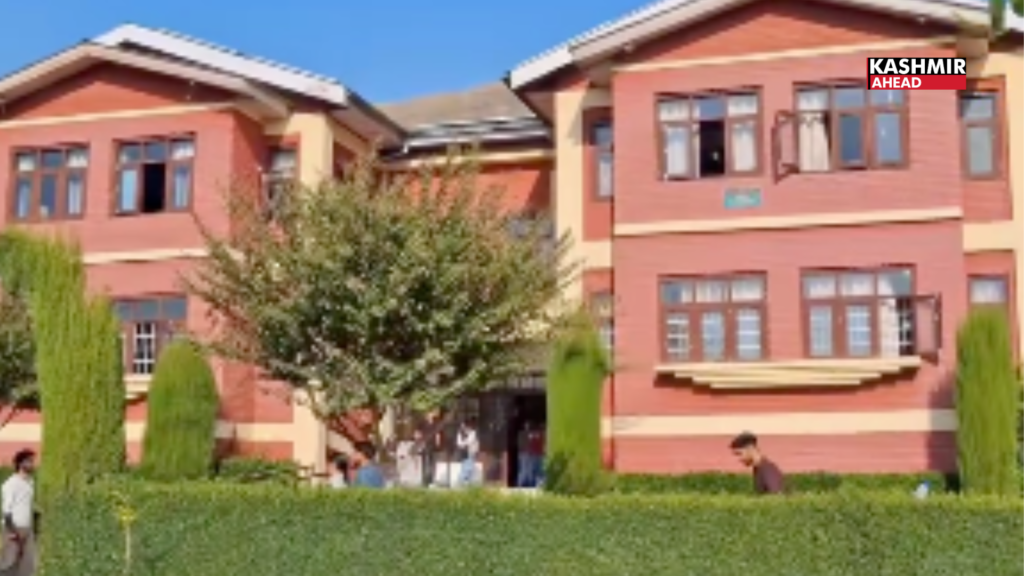
Teachers played a central role by conducting literacy sessions, guiding learners, and supporting adult education programmes. School administrators coordinated educational activities and ensured effective implementation of literacy initiatives.
Education department officials monitored progress, organized awareness campaigns, and facilitated the implementation of the ULLAS programme across districts. Volunteers and community organizations helped identify learners, motivate families, and encourage participation in literacy programmes.
Local communities also contributed by creating an environment that valued education and lifelong learning. Such collective participation has been instrumental in expanding educational access and improving literacy outcomes.
Education as the Foundation of Empowerment
In his message, Lieutenant Governor Manoj Sinha reiterated that education remains the strongest instrument for empowering individuals and transforming societies.
Education enables citizens to make informed choices regarding health, employment, financial management, and civic responsibilities. It promotes gender equality, social inclusion, and economic participation while reducing inequalities.
The Lieutenant Governor stressed that every literate citizen becomes an active participant in nation-building. By acquiring knowledge and skills, individuals become better equipped to contribute to community development and economic growth.
He emphasized that literacy should not be viewed as an end in itself but as the beginning of lifelong learning and continuous personal development.
Importance of Lifelong Learning
One of the defining features of the ULLAS programme is its emphasis on lifelong learning.
Rapid technological advancements and changing employment patterns require individuals to continually upgrade their knowledge and skills. Lifelong learning ensures that people remain adaptable, productive, and capable of meeting emerging challenges.
The programme encourages learners to pursue digital literacy, financial literacy, vocational education, and other forms of continuing education beyond basic reading and writing.
This approach supports the vision of creating a knowledge-based society where learning continues throughout life.
Inclusive Education for Every Citizen
The literacy mission places special emphasis on ensuring that educational opportunities are available to every section of society.
Women, senior citizens, disadvantaged communities, and individuals who could not complete formal schooling are among the primary beneficiaries of adult education programmes.
Inclusive education promotes equal opportunities and helps bridge educational gaps across different social groups. It enables marginalized communities to participate more effectively in economic and civic life.
By expanding literacy to underserved populations, Jammu and Kashmir has strengthened its commitment to inclusive development.
Community Participation Strengthens Literacy
Experts believe that literacy campaigns achieve lasting success only when communities actively participate in the learning process.
Teachers, parents, local leaders, volunteers, educational institutions, and civil society organizations all contribute to creating a supportive learning environment.
Community ownership encourages learners to continue their education while inspiring others to participate in literacy programmes.
The success of the ULLAS scheme in Jammu and Kashmir demonstrates the importance of collaborative action in achieving educational goals.
Strengthening Human Capital
Improved literacy contributes directly to the development of human capital.
Literate individuals are more likely to access higher education, vocational training, and better employment opportunities. They are also better informed about healthcare, financial planning, and government welfare programmes.
Higher literacy levels contribute to economic productivity by improving workforce skills and supporting entrepreneurship.
As Jammu and Kashmir continues to strengthen its education ecosystem, the literacy milestone is expected to support long-term economic and social development.
The Road Ahead
While the declaration of full literacy is a significant accomplishment, education experts stress that continuous efforts remain essential.
Maintaining literacy levels requires sustained educational programmes, ongoing community engagement, and regular learning opportunities for adults.
The focus is expected to shift towards digital literacy, financial awareness, vocational education, and advanced learning initiatives that prepare citizens for a rapidly evolving economy.
Educational institutions and government agencies are likely to continue working together to ensure that literacy gains remain sustainable.
Vision for the Future
Lieutenant Governor Manoj Sinha called upon educators and stakeholders to build upon this achievement and continue advancing the mission of lifelong learning.
He emphasized that every citizen should have access to quality education regardless of age, gender, or socio-economic background. Strengthening literacy initiatives will contribute to building an informed, skilled, and empowered society capable of meeting future challenges.
The declaration of Jammu and Kashmir as a fully literate Union Territory under the ULLAS scheme stands as an important milestone in the region’s educational development. It highlights the dedication of teachers, administrators, volunteers, and communities whose collective efforts have expanded learning opportunities across the Union Territory.
As literacy initiatives continue to evolve, the achievement is expected to inspire further educational progress, strengthen human capital, and support the vision of inclusive and sustainable development through lifelong learning.