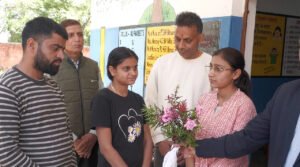
Jammu, December 2, 2025: As part of the ongoing monitoring of sanitation initiatives under the Swachh Bharat Mission , Director General of Rural Sanitation, J&K, Ms Anoo Malhotra, conducted a comprehensive review of Ramban and Reasi districts today. The review sessions were aimed at assessing progress, ensuring quality implementation, and strengthening community-led sanitation practices across the Union Territory.
Senior officials from the Directorate, including Deputy Director Rural Sanitation Jammu, ACP, BDOs, engineers, field-level staff, and Project Management Unit (PMU) consultants, participated in the meetings.
Review of Ramban District
In the forenoon session, the DG assessed the progress of sanitation assets and interventions approved under the Annual Action Plan (AIP). The review focused on the status of compost pits, soakage pits, community sanitary complexes (CSCs), DEWATS, GOBARdhan, and other Solid and Liquid Waste Management (SLWM) components.
Ramban district was directed to accelerate execution of SBM-G projects, intensify community engagement, promote waste segregation, and ensure sustainable maintenance of sanitation assets at the village level.
Review of Reasi District
The afternoon session focused on Reasi district, where progress of all SBM-G components, SLWM implementation, and asset creation was thoroughly reviewed. The DG directed the ACP and district teams to expedite completion of ongoing SLWM works including DEWATS, PWMUs, soakage pits, and CSCs.
PMU consultants also conducted capacity-building sessions on DEWATS implementation, GOBARdhan projects, IEC, and Behaviour Change Communication (BCC) strategies, emphasizing community participation and sustainable sanitation practices. Reasi district presented updated timelines and action plans for accelerated progress over the next few weeks.
Way Forward
The DG urged all districts to implement SBM-G projects in a mission-mode, prioritizing quality, sustainability, and community-led ownership. “Every asset planned under the Annual Action Plan must be completed efficiently and maintained sustainably. District teams must strengthen field monitoring, Gram Panchayat engagement, and promote village-level sanitation practices,” said Ms Malhotra.