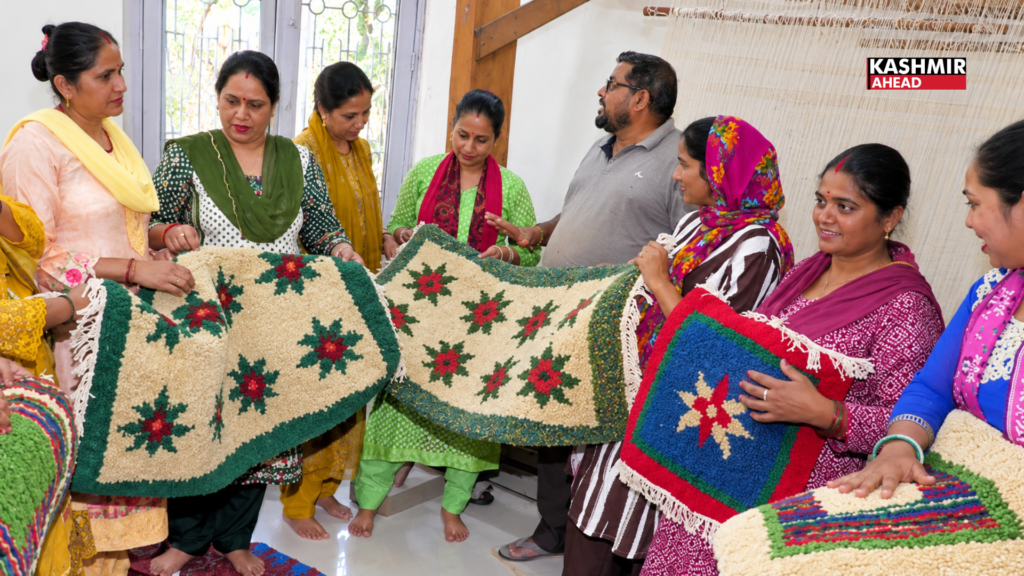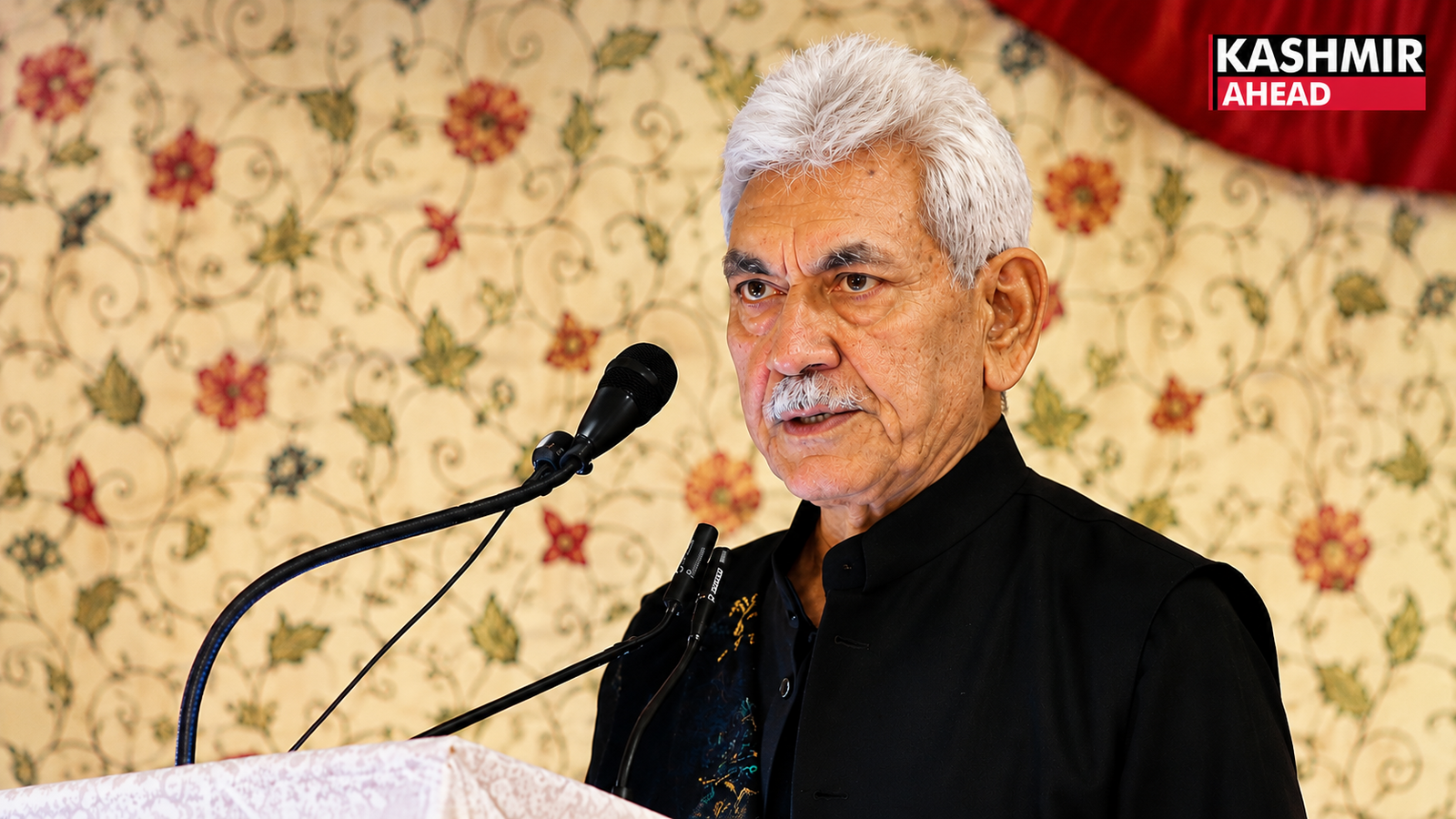
Srinagar, August 7,2026- Even after the restoration of an elected government in Jammu and Kashmir, Lieutenant Governor Manoj Sinha continues to witness a steady flow of citizens visiting Lok Bhawan (formerly Raj Bhawan), seeking redressal of grievances, administrative support and intervention on matters affecting their daily lives. The continued influx of delegations from different parts of the Union Territory reflects the administration’s sustained emphasis on accessible governance and direct public engagement.
From farmers arriving with concerns over irrigation and agriculture to traders seeking policy support, students requesting educational assistance, families of terror victims pursuing justice and welfare measures, ex-servicemen, teachers, panchayat representatives, entrepreneurs, social workers and religious leaders, Lok Bhawan has remained a prominent venue for public interaction. Many citizens travel from remote villages across Jammu and Kashmir carrying applications, representations and documents in the hope that their issues will receive timely attention.
Officials say the Lieutenant Governor has consistently maintained an open-door approach, encouraging people from all sections of society to directly communicate their concerns with the administration. This model of governance has been aimed at ensuring that genuine grievances are heard without unnecessary procedural delays while facilitating coordination among various government departments for prompt resolution.
Over the years, the administration has strengthened institutional mechanisms for public grievance redressal by organising regular public outreach programmes and reviewing pending cases. Departments have been directed to ensure that complaints received through public interactions are processed efficiently, with greater accountability and transparency in service delivery. These initiatives have been designed to improve governance while building stronger trust between citizens and the administration.
The steady flow of visitors to Lok Bhawan has continued despite the presence of an elected government, underlining the significance of direct access to administrative authorities. Citizens often raise issues relating to road connectivity, drinking water supply, electricity, healthcare facilities, educational infrastructure, employment opportunities, land matters, pensions, welfare schemes and development projects. Many delegations also submit proposals for community development, infrastructure upgrades and public amenities in their respective areas.
For residents of far-flung districts and border regions, such interactions provide an important platform to communicate local concerns directly to the highest administrative office in the Union Territory. Officials note that the administration has sought to ensure that people from rural and remote regions receive equal opportunities to present their grievances and developmental demands.
The Lieutenant Governor has repeatedly stressed the importance of responsive governance, transparency and accountability in public administration. During interactions with delegations, emphasis has often been placed on resolving issues within a defined timeframe and ensuring effective coordination among departments. Officials are regularly instructed to monitor the implementation of decisions taken during public meetings so that citizens receive tangible outcomes rather than procedural assurances.
Public outreach has also become an important component of developmental planning in Jammu and Kashmir. Feedback received during meetings with citizens enables the administration to identify region-specific challenges, prioritise infrastructure requirements and improve the implementation of government welfare programmes. This participatory approach has contributed to more informed decision-making while strengthening communication between the government and the public.
Over the past several years, Jammu and Kashmir has witnessed significant investments in infrastructure, road connectivity, healthcare, education, tourism, rural development and public services. Government departments have increasingly adopted technology-driven governance, online service delivery and digital grievance management systems to improve efficiency and accessibility. Direct public interactions complement these digital initiatives by providing a human interface where complex issues requiring administrative intervention can be discussed personally.
Representatives of panchayats and urban local bodies frequently meet the administration to discuss developmental priorities in their constituencies. Issues such as road construction, school infrastructure, healthcare facilities, drinking water projects, sanitation, rural electrification and livelihood opportunities are commonly raised during these meetings. Such engagements are viewed as an important mechanism for strengthening grassroots governance and ensuring that local development needs receive appropriate attention.
Families affected by terrorism have also approached Lok Bhawan to seek assistance under various rehabilitation and welfare programmes. The administration has reiterated its commitment to extending support to victims and ensuring that eligible beneficiaries receive government assistance in accordance with established policies. Similarly, ex-servicemen, entrepreneurs and youth delegations regularly present proposals related to employment generation, skill development and investment opportunities.
Educational institutions, civil society organisations and social groups also interact with the administration on issues concerning education, youth welfare, sports, cultural preservation and social development. Officials believe these interactions encourage broader public participation in governance while promoting collaborative solutions to local challenges.
The administration maintains that accessible governance remains central to effective public service delivery. By facilitating direct interaction between citizens and decision-makers, authorities seek to reduce communication gaps, improve administrative responsiveness and ensure that development initiatives address ground realities. Officials emphasise that every representation received is forwarded to the concerned department for examination and necessary action under established procedures.
The continued public engagement at Lok Bhawan also reflects the evolving expectations of citizens regarding governance. People increasingly seek timely solutions, transparent processes and accountable administration. Direct meetings provide an opportunity for individuals and delegations to explain local issues in detail while enabling officials to assess priorities based on firsthand information.
Governance experts often note that public confidence is strengthened when citizens have accessible channels through which they can present their concerns. Such interactions contribute to greater administrative transparency and encourage departments to remain responsive to public needs. Regular review mechanisms further help monitor the progress of grievance redressal and implementation of development-related decisions.
As Jammu and Kashmir continues its developmental journey, the administration has reiterated its commitment to maintaining an inclusive, transparent and people-centric governance model. Officials have stated that public outreach, timely grievance redressal and efficient delivery of government services will remain key priorities aimed at improving the quality of life for residents across the Union Territory.
The continued stream of delegations visiting Lok Bhawan underscores the importance citizens attach to direct administrative engagement. Whether seeking solutions to local issues, welfare benefits, infrastructure improvements or developmental support, people from diverse backgrounds continue to view the platform as an avenue for constructive dialogue with the administration. Authorities maintain that such interactions will continue to play an important role in strengthening governance, enhancing public participation and ensuring that the voices of citizens remain integral to the decision-making process.