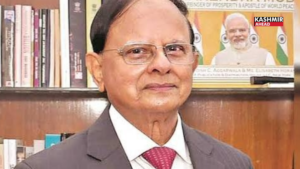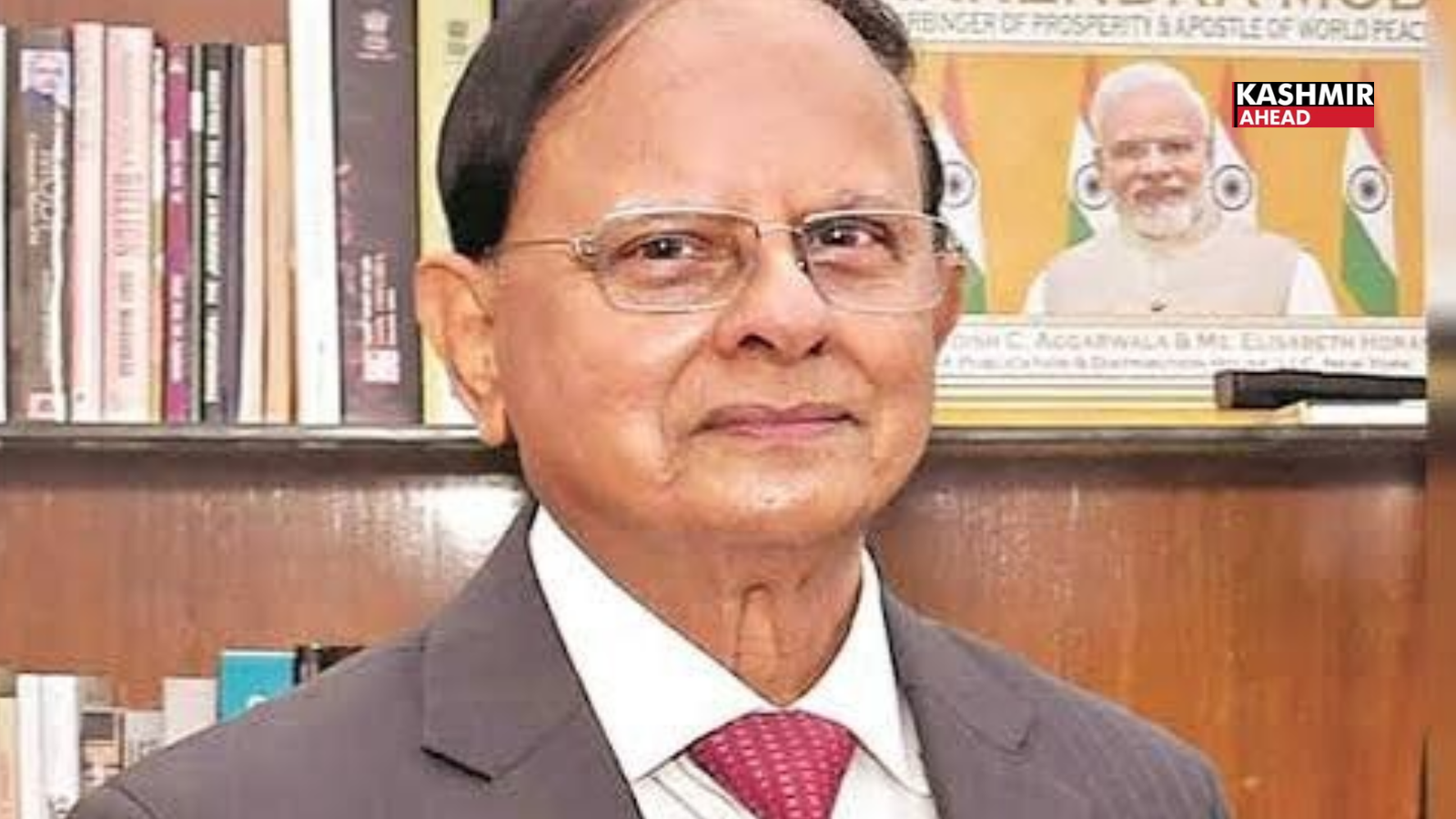
New Delhi, November 19,2026- Prime Minister Narendra Modi’s Principal Secretary PK Mishra on Tuesday stressed that citizen experience should be the primary measure of effective governance, rather than the number of schemes and programmes implemented by the government. He called for seamless coordination among government departments and urged public servants to adopt an outcome-oriented approach to administration.
Mishra was speaking at the ‘Leadership as a Mission’ event organised by NITI Aayog to draw lessons from Prime Minister Narendra Modi’s 25 years as head of government.
Emphasising the need for citizen-centric governance, Mishra said people perceive the government as a single institution and expect different departments to work together to address their concerns. He underlined that citizens should not have to navigate administrative complexities or approach multiple authorities to access government services.
He said public servants must move beyond procedural compliance and focus on delivering tangible outcomes that directly improve people’s lives.
Citizen Satisfaction Should Define Governance
Mishra highlighted that the effectiveness of governance should be assessed through the quality of interaction between government institutions and citizens.
He observed that people expect their concerns to be heard, decisions to be taken promptly and public officials to treat them with dignity and respect.
According to him, the success of administrative systems should not be measured merely by the number of initiatives launched or programmes implemented, but by how effectively these initiatives address people’s needs.
His remarks highlighted the importance of making public service delivery more accessible, responsive and accountable.
He also stressed that government departments must work in close coordination to ensure that citizens receive timely solutions without unnecessary delays or administrative hurdles.
Leadership Must Be Demonstrated at Every Level
Highlighting the importance of leadership in public administration, Mishra said leadership must be demonstrated at every level of the administrative structure.
He called upon officers to take ownership of results and develop the courage to overcome institutional inertia in the larger national interest.
He emphasised that effective administration requires more than following established procedures. Public servants must demonstrate initiative, responsibility and commitment towards achieving desired outcomes.
Mishra’s remarks also underlined the importance of strengthening accountability within government institutions and ensuring that administrative decisions translate into measurable improvements in citizens’ everyday lives.
He encouraged officers to adopt a broader perspective towards governance and work collectively to achieve national development objectives.
Seamless Coordination Among Government Departments
Mishra’s emphasis on interdepartmental coordination highlighted the need for a unified approach to public administration.
He noted that citizens see the government as one, making it important for different departments and institutions to function in a coordinated manner.
Fragmented administrative processes and institutional barriers can affect the delivery of public services. Therefore, government departments must strengthen cooperation and ensure that their efforts are aligned towards common goals.
A more integrated administrative approach can help improve efficiency, reduce delays and strengthen public confidence in government institutions.
Civil Servants Must Remain Politically Neutral: Cabinet Secretary
Addressing the gathering, Cabinet Secretary TV Somanathan stressed that civil servants must maintain political neutrality while performing their administrative responsibilities.
He said government officials should remain politically neutral but must learn administrative skills demonstrated by extraordinary leaders.
His remarks highlighted the importance of professional integrity, impartiality and administrative competence in public service.
Civil servants play a crucial role in translating government policies into action and must maintain professional standards while ensuring effective implementation of public programmes.
Reflecting on 25 Years of Leadership
The ‘Leadership as a Mission’ event organised by NITI Aayog provided a platform to reflect on leadership experiences and administrative lessons from Prime Minister Narendra Modi’s 25 years as head of government.
The discussions focused on strengthening governance systems, improving institutional efficiency, promoting accountability and ensuring better coordination across government departments.
The emphasis on citizen experience underscored the need for a governance framework that prioritises people’s needs and measures success through tangible results.
The deliberations highlighted that effective governance goes beyond policy announcements, programme implementation and administrative procedures. Its real impact lies in whether citizens receive timely services, their concerns are addressed and they are treated with dignity.
Mishra’s message reinforced the importance of responsive leadership, institutional coordination and outcome-oriented administration in strengthening public trust and advancing India’s development goals.