Rajouri , October 29,2026- The Central Government has approved ₹21 crore for the restoration of municipal infrastructure damaged by floods, flash floods and cloudbursts in Jammu and Kashmir’s Rajouri district in July 2026. The funding is expected to support the reconstruction and repair of essential public facilities affected by the extreme weather events and provide relief to residents.
The funds have been sanctioned under Part I of the SASCI Disaster Component for the financial year 2026–27. The allocation will be utilised for restoring damaged municipal infrastructure within the Rajouri Municipal Council area, with a focus on public facilities and structures essential for everyday life.
Among the major projects included in the restoration plan is the reconstruction of Bella Bus Stand, which suffered extensive damage during the floods. According to the details provided, nearly 85 per cent of the bus stand was washed away by the floodwaters, disrupting an important public transport facility.
An amount of ₹6 crore has been earmarked for the restoration of Bella Bus Stand. The project is expected to help rebuild the damaged facility and improve its usability for commuters and other residents who depend on public transportation.
The restoration of the bus stand is particularly significant for the local population, as transport infrastructure plays a crucial role in facilitating daily travel, commercial activities and connectivity within the district. Rebuilding the damaged structure will be an important step towards addressing the disruption caused by the floods.
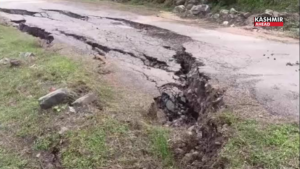
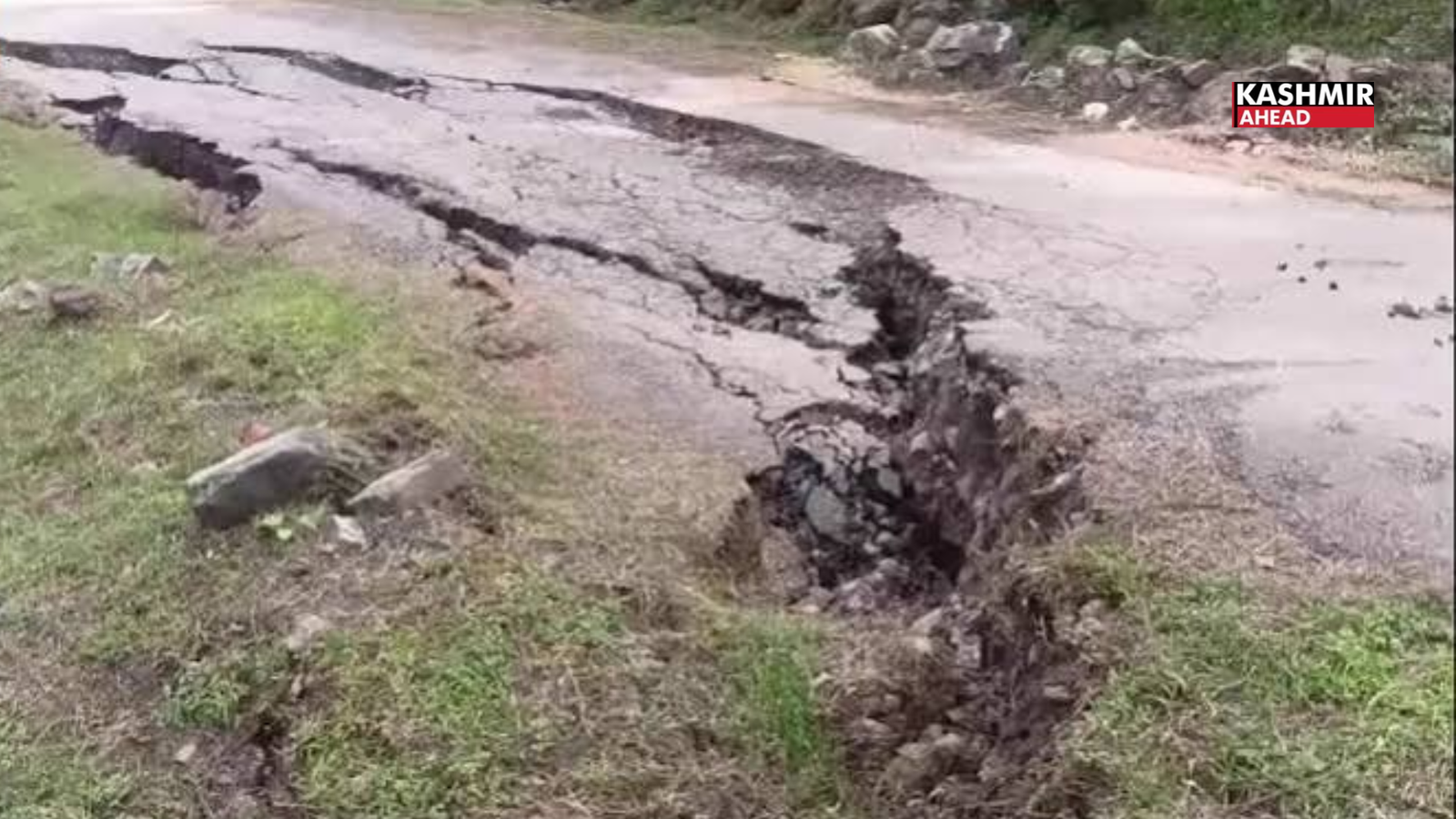
The approved package also includes repairs to damaged protection walls, a major drain and a culvert within the municipal council limits. These structures are important for maintaining civic infrastructure, supporting drainage and protecting vulnerable areas against water-related damage.
The restoration of protection walls is expected to strengthen vulnerable locations, while repairs to the damaged drain and culvert will help restore essential drainage infrastructure. Proper maintenance of such structures is particularly important in areas that experience heavy rainfall and sudden increases in water flow.
The plan further includes the restoration of protection and boundary walls surrounding the community hall near Salani Bus Stand. The facility and its surrounding infrastructure were affected by the extreme weather conditions, necessitating repairs to restore their condition.
In addition, funds will be used to repair the Municipal Solid Waste Management facility, which sustained damage during the floods. The facility is an important component of the town’s civic infrastructure, supporting waste handling and municipal sanitation services.
The restoration of the waste management facility is expected to help strengthen municipal services and address the challenges caused by damage to essential civic infrastructure. Repairing such facilities is important for maintaining cleanliness, sanitation and public health in affected areas.
The July 2026 floods, flash floods and cloudbursts caused damage to infrastructure in parts of Rajouri district, highlighting the vulnerability of public facilities to extreme weather events. The destruction of roads, transport facilities, drainage structures and other municipal assets can disrupt daily life and place additional pressure on local authorities.
The ₹21 crore allocation is aimed at addressing some of these infrastructure-related challenges through targeted restoration works. Timely implementation of the projects will be important to ensure that damaged facilities are brought back into service and residents receive the intended benefits.
Local residents and people affected by the floods have welcomed the approval, expressing hope that the sanctioned funds will accelerate reconstruction and help restore essential public amenities. The allocation has raised expectations that damaged infrastructure will be repaired and municipal services streāngthened.
The restoration initiative also highlights the importance of disaster recovery planning and investment in resilient public infrastructure. Alongside rebuilding damaged facilities, improvements in drainage systems, protective structures and municipal assets can help communities better manage the effects of heavy rainfall and flooding.
With the Centre approving ₹21 crore under the SASCI Disaster Component for 2026–27, Rajouri is set to undertake a series of restoration works covering transport infrastructure, drainage systems, protective walls and municipal waste management facilities.
The successful execution of these projects will be crucial in restoring public services, improving local infrastructure and supporting the recovery of communities affected by the July floods.