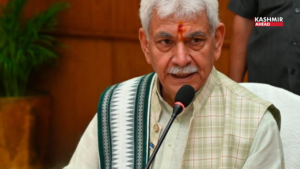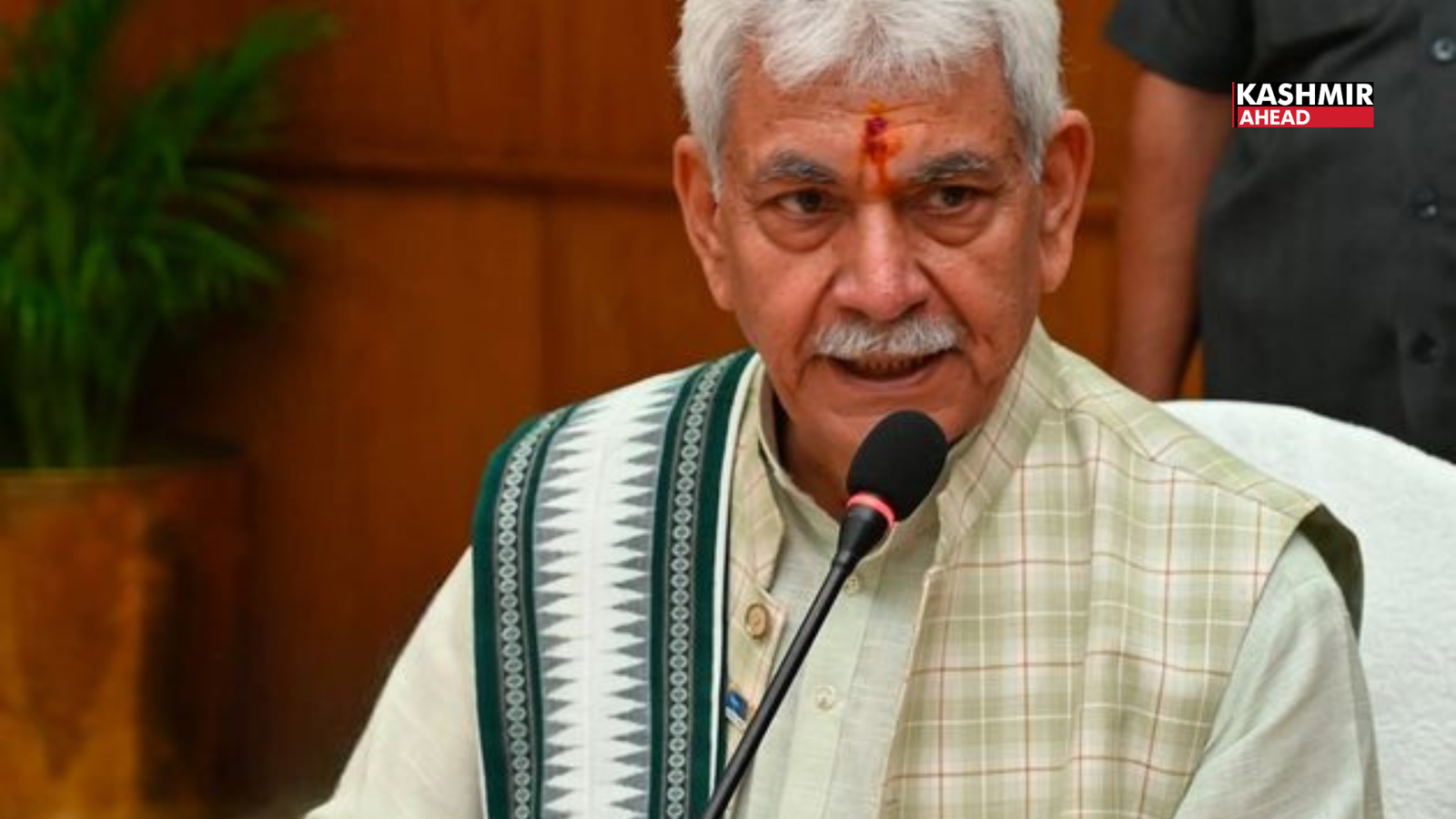
Srinagar, October 15,2026 – Lieutenant Governor Manoj Sinha has emphasised the need to ensure equal access to quality healthcare for people living in rural and remote areas, underscoring the importance of strengthening medical infrastructure, improving healthcare delivery and ensuring that no community is left behind.
Highlighting the significance of accessible and affordable medical services, the Lieutenant Governor stressed that people residing in villages and far-flung regions deserve the same opportunities to receive quality treatment as those living in urban centres. He noted that strengthening the healthcare system requires sustained efforts to improve medical facilities, expand the availability of trained professionals and enhance the reach of essential health services.
The emphasis on rural healthcare access comes amid continued efforts to strengthen public health infrastructure across Jammu and Kashmir, particularly in areas where geographical challenges and limited medical facilities can affect access to timely treatment.
Manoj Sinha has consistently highlighted the importance of people-centric development, with healthcare remaining a key component of efforts to improve the quality of life across the Union Territory. Better-equipped health institutions, improved medical services and a stronger network of healthcare professionals are essential to ensuring that residents in remote areas can access treatment without facing unnecessary difficulties.
The Lieutenant Governor also lauded Government Medical College (GMC) Srinagar for its contribution to medical education and healthcare services. Recognising the institution’s role in developing medical professionals, he acknowledged the importance of medical colleges in strengthening the healthcare system and preparing skilled doctors to serve society.
Established as a major centre for medical education in the Kashmir Valley, GMC Srinagar has played an important role in training generations of doctors and supporting healthcare delivery. Its contribution extends beyond academic instruction to clinical training, patient care and the development of medical expertise needed to address evolving healthcare challenges.
Medical institutions such as GMC Srinagar are vital to the long-term development of the healthcare sector. By combining education, clinical experience and research, they help build a skilled workforce capable of responding to the needs of diverse communities. Their role is particularly significant in regions where hospitals and healthcare professionals serve patients from both urban centres and remote districts.
Strengthening medical education also has wider implications for public health. Well-trained doctors, improved clinical practices and better institutional capacity can contribute to more effective treatment, improved patient outcomes and greater public confidence in healthcare services.
The focus on equitable healthcare access highlights the need to bridge the gap between urban and rural medical facilities. Ensuring adequate staffing, essential medicines, diagnostic services and reliable referral systems can help rural residents receive timely treatment closer to their homes. Continued investment in healthcare infrastructure and medical training can further support this objective.
The Lieutenant Governor’s remarks reinforce the broader goal of building an inclusive healthcare system in Jammu and Kashmir, where access to quality medical services is determined by need rather than geographical location.
As Jammu and Kashmir continues to strengthen its healthcare infrastructure and medical education ecosystem, institutions such as GMC Srinagar remain important partners in advancing public health, nurturing medical talent and improving the delivery of healthcare services.
Ensuring equitable healthcare access for rural communities, alongside continued support for medical education, remains essential to building a healthier and more resilient Jammu and Kashmir.