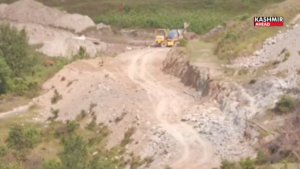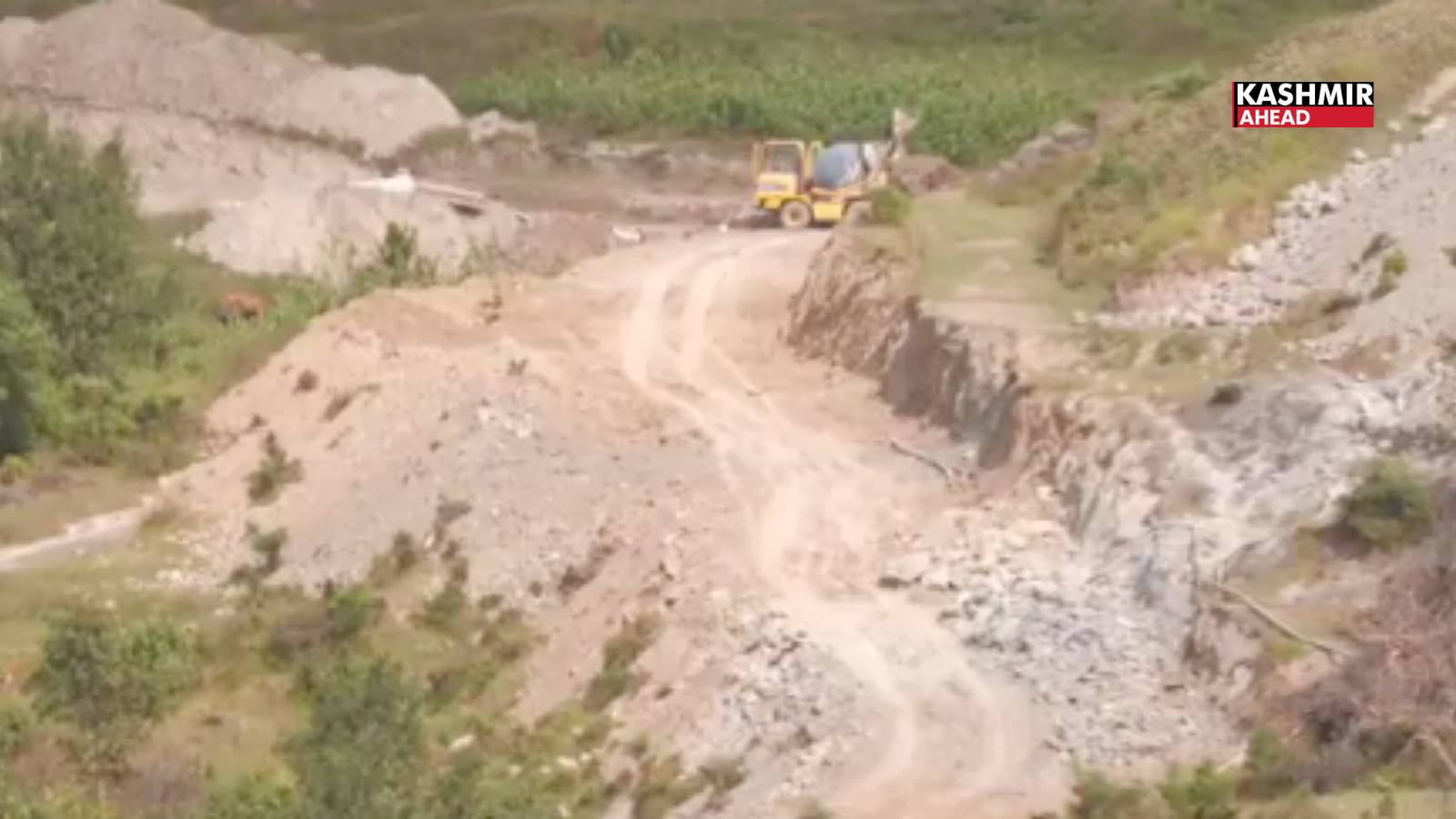
Kashmir, October 14,2026-In the hills of Udhampur district, a road is far more than a strip of asphalt. It decides whether a sick villager reaches a clinic in time, whether children get to school during the monsoon, and whether a farmer can sell produce before it spoils. The construction and maintenance of the 1.6-km Dabreh Chak–Jar road under the Pradhan Mantri Gram Sadak Yojana (PMGSY) speaks to these everyday needs.
The Project at a Glance
The road has a sanctioned cost of ₹339.57 lakh and will benefit 371 residents. The goal is all-weather connectivity, meaning a road that stays usable through heavy rain, seasonal swelling of streams, and the harsher months of the year, rather than turning into a muddy track.
The figures also say something about terrain. The sanctioned cost works out to roughly ₹2.1 crore per kilometre, which is typical of mountainous work. Hill roads need retaining walls, side drains, cross-drainage structures, and careful slope protection that plains roads rarely require. These features are the difference between a road that lasts and one that washes away after the first monsoon.
Why PMGSY Matters
Launched in 2000, PMGSY was designed to provide good all-weather road connectivity to unconnected habitations across India. Its logic is simple: roads are the first step in rural development. Once a village is reliably connected, other things follow. Schools become easier to staff, health workers can visit, markets open up, and prices for local goods improve because traders can reach the village.
For a community of 371 people, the change can be dramatic. Many such habitations have long relied on footpaths or poorly maintained tracks, where a medical emergency or a delayed delivery can become a crisis. A dependable road shortens travel time, lowers transport costs, and makes the village a more viable place to live and work.
Safety, Comfort and Dignity
The project’s promise of safer, smoother travel deserves emphasis. In hilly regions, unpaved or poorly maintained roads are hazardous, especially for two-wheelers, school-going children, the elderly, and pregnant women. A properly built and drained road reduces accidents and makes ordinary journeys less exhausting.
There is also a quieter benefit: dignity. Reliable access tells residents that they are part of the wider economy and public life, not left at its margins.
Opportunities Beyond the Road
Connectivity tends to widen horizons. Better access can encourage small enterprises such as shops, dairy collection, and transport services. It can help farmers move vegetables, fruit, and other produce to larger markets. It can make it easier for young people to attend college or take up jobs outside the village while still returning home regularly. Government schemes, from health camps to agricultural extension services, also reach people more readily when vehicles can get there.
The Importance of Maintenance
The project covers both construction and maintenance, which is worth noting. PMGSY roads are meant to be maintained over a set period after completion, a feature intended to avoid the familiar cycle of new roads decaying for lack of upkeep. In regions with heavy rainfall and landslide-prone slopes, regular drain cleaning, patching, and slope care are essential to keeping the road functional year after year.
Looking Ahead
The Dabreh Chak–Jar road is a modest 1.6 kilometres, but projects like this are how rural India’s connectivity gap closes: one stretch at a time, one community at a time. Its success will be measured not by the ribbon-cutting but by what follows, such as shorter journeys, easier access to care and education, and new livelihoods taking root.
For the 371 residents it serves, the road promises something simple and powerful: a dependable way out, and a dependable way back home.