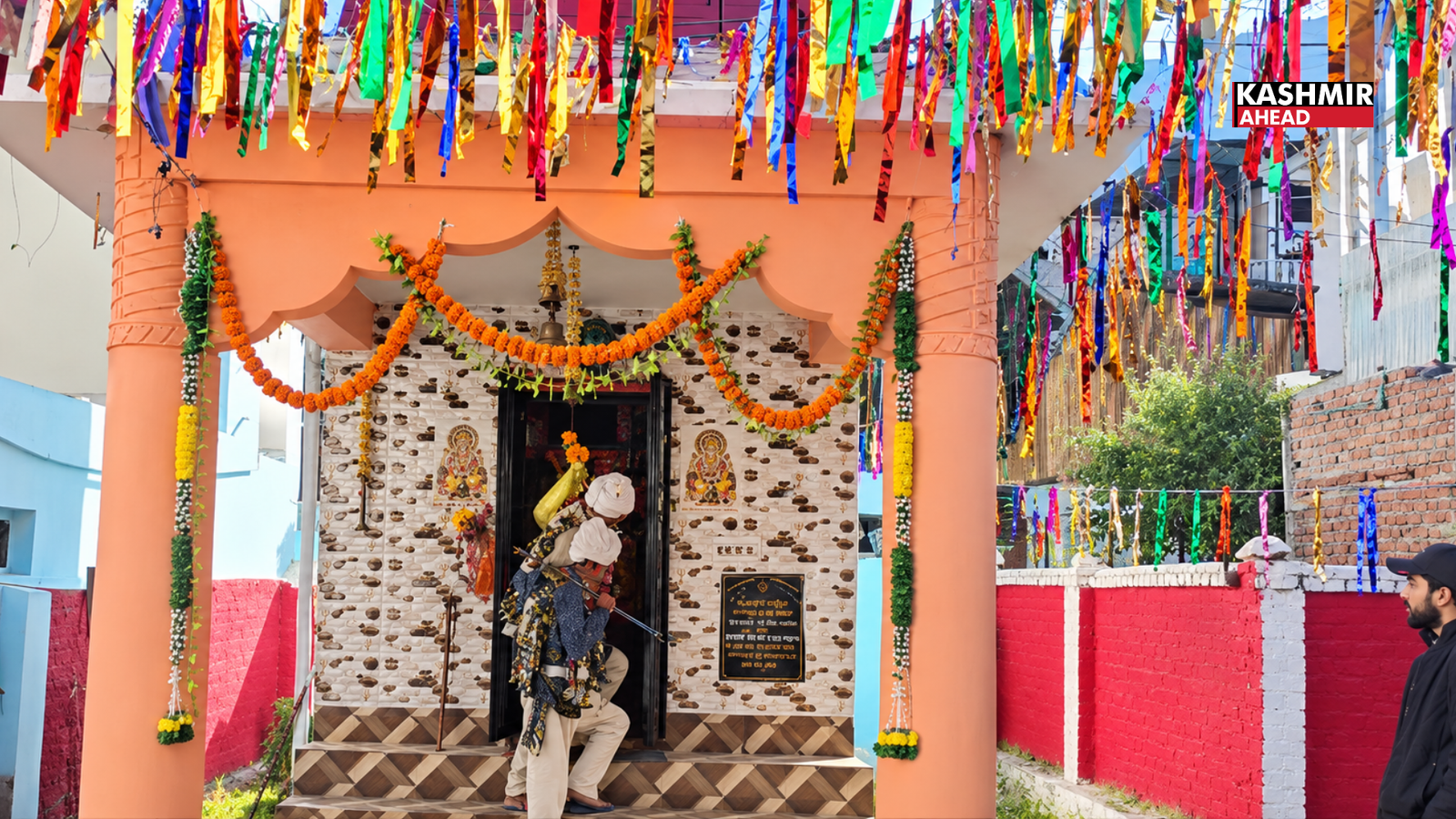
Bhaderwah, October 9,2026 – Hundreds of devotees today joined the centuries-old Shadu Yatra, which began from the ancient Brokodu temple in the Vasak Dera locality of Bhaderwah town and proceeds towards the sacred Ashapati Glacier. The pilgrimage preserves the valley’s rich Nag culture and keeps alive ancestral rituals handed down through generations.
Bhaderwah, in Jammu and Kashmir’s Doda district, is often called “Chota Kashmir” for its meadows, forests and mountain streams. It is also known as the Land of Nagas, where serpent deities have been worshipped for centuries and where temples, shrines and festivals reflect a distinctive spiritual heritage. The Shadu Yatra is among the traditions that sustain this identity.
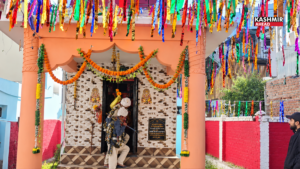
The yatra began at the Brokodu temple, one of the old places of worship in the town, where devotees gathered in large numbers for prayers and ritual observances before setting out. Participants, including elders, men, women and youth, joined the procession in a spirit of devotion, many carrying offerings and following customs that families have observed for generations.
From the town, the route leads towards the Ashapati Glacier, regarded by devotees as a sacred destination. Such journeys involve a demanding trek through high-altitude terrain, and pilgrims often walk long distances to reach the holy site. For the faithful, the physical effort is part of the spiritual experience, an act of devotion and endurance that connects them with the traditions of their forefathers.
Local residents say the yatra is more than a religious journey. It brings communities together, strengthens bonds across neighbourhoods and passes on cultural memory to younger generations. Elders recount the stories and beliefs associated with the Nag deities, while young participants learn the rituals and songs that accompany the pilgrimage. In this way, the yatra serves as a living link between the past and the present.
The Nag tradition of Bhaderwah is closely tied to the natural environment. Devotees see mountains, glaciers, springs and forests as sacred, and many rituals reflect respect for nature and its role in sustaining life. Participants are expected to observe purity and discipline during the journey, and the pilgrimage is conducted with a strong sense of reverence for the landscape through which it passes.
The yatra also carries cultural and economic significance for the area. The gathering of devotees draws attention to Bhaderwah’s heritage and its potential as a destination for faith and heritage tourism. Local shopkeepers, porters, ponywallahs and service providers along the route often benefit from the movement of pilgrims, while the festive atmosphere highlights the town’s traditions to visitors from other parts of the region.
Administrative and local arrangements are usually made to ensure the safety and convenience of pilgrims on such journeys, including coordination on routes, weather conditions and basic facilities. Devotees are also encouraged to keep the mountain environment clean and to follow guidance issued for high-altitude treks.
As the pilgrims move towards the glacier, chants and prayers echo through the hills, reflecting a faith that has endured through changing times. For the people of Bhaderwah, the Shadu Yatra remains a proud expression of identity, devotion and harmony with nature, and a reminder of the cultural richness of the valley.