Kashmir, October 7,2026-The Institute of High Altitude Medicinal Plants (IHAMP), Thanthera, is promoting the cultivation and conservation of high-altitude medicinal and aromatic plants, creating new livelihood opportunities for farmers in the Chenab Valley.
Around 300 farmers from Doda district have been associated with the initiative over the past five to six years. Through training, quality planting material and technical guidance, the institute has encouraged them to take up medicinal plant cultivation as a sustainable source of income.
Building a base for conservation
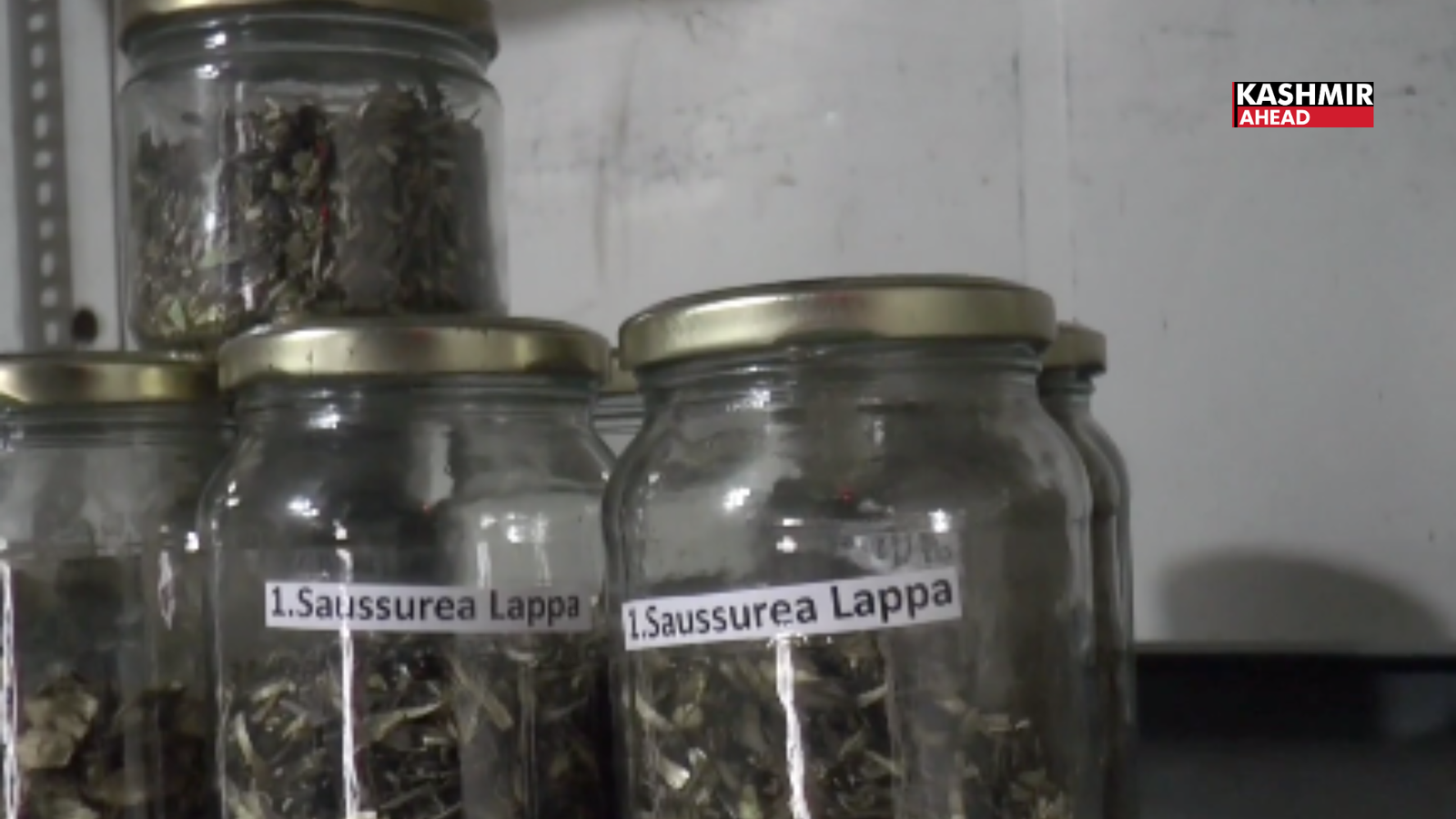
IHAMP has developed a herbal garden, a demonstration garden, a high-altitude nursery and a seed germplasm centre at its Thanthera campus. Together, these facilities serve as a hub for research, plant multiplication and farmer training.
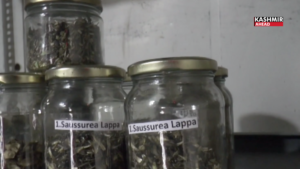
Over the last two to three years, the nursery and germplasm centre have produced around 20,000 to 30,000 plants. These are being supplied to farmers and used to raise awareness about the value of Himalayan medicinal species.
The demonstration garden gives growers a practical view of cultivation methods, spacing, care and harvesting. The herbal garden, meanwhile, showcases the rich diversity of medicinal and aromatic plants found in high-altitude areas.
A new livelihood option for hill farmers
Medicinal and aromatic plants are in growing demand in the herbal, pharmaceutical, cosmetic and wellness industries. For farmers in hilly areas with small landholdings, these crops offer an alternative to traditional farming, often with better returns.
The initiative aims to boost farmers’ income by connecting them with scientific cultivation practices and reliable planting material. Officials associated with the programme say sustained support has helped farmers gain confidence in adopting these crops.
Many farmers who earlier depended on conventional crops are now exploring medicinal plant cultivation as a supplementary source of income. In regions where agricultural land is limited and terrain is difficult, high-value crops can make a meaningful difference to household earnings.
Protecting Himalayan biodiversity
Many Himalayan medicinal plants face pressure from overharvesting and habitat loss. By promoting cultivation, IHAMP seeks to reduce dependence on wild collection and protect these species in their natural habitats.
The seed germplasm centre plays a key role in this effort. It preserves genetic material of important species for future use and large-scale propagation, helping ensure that valuable plants are not lost.
Experts say that cultivating medicinal plants in a planned manner can also support sustainable harvesting, ensuring that traditional knowledge and natural resources are passed on to future generations.
Herbal tourism in Bhaderwah
The initiative also aims to promote herbal tourism in Bhaderwah, a region known for its scenic landscapes, cool climate and rich plant diversity. The herbal and demonstration gardens can attract tourists, students, researchers and nature enthusiasts.
Herbal tourism could open additional avenues for local communities, from guiding and homestays to the sale of herbal products, strengthening the local economy while spreading awareness about conservation.
Looking ahead
With continued support, the institute hopes to extend the programme to more farmers and villages across Doda and neighbouring areas. Plans to increase plant production, expand training and improve market linkages are expected to further strengthen the initiative.
As interest in herbal products continues to rise, officials believe that Bhaderwah can emerge as a centre for medicinal plant cultivation and herbal tourism in Jammu and Kashmir, benefiting both farmers and the environment.