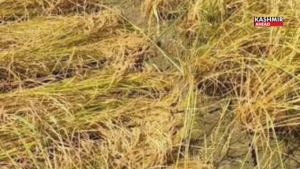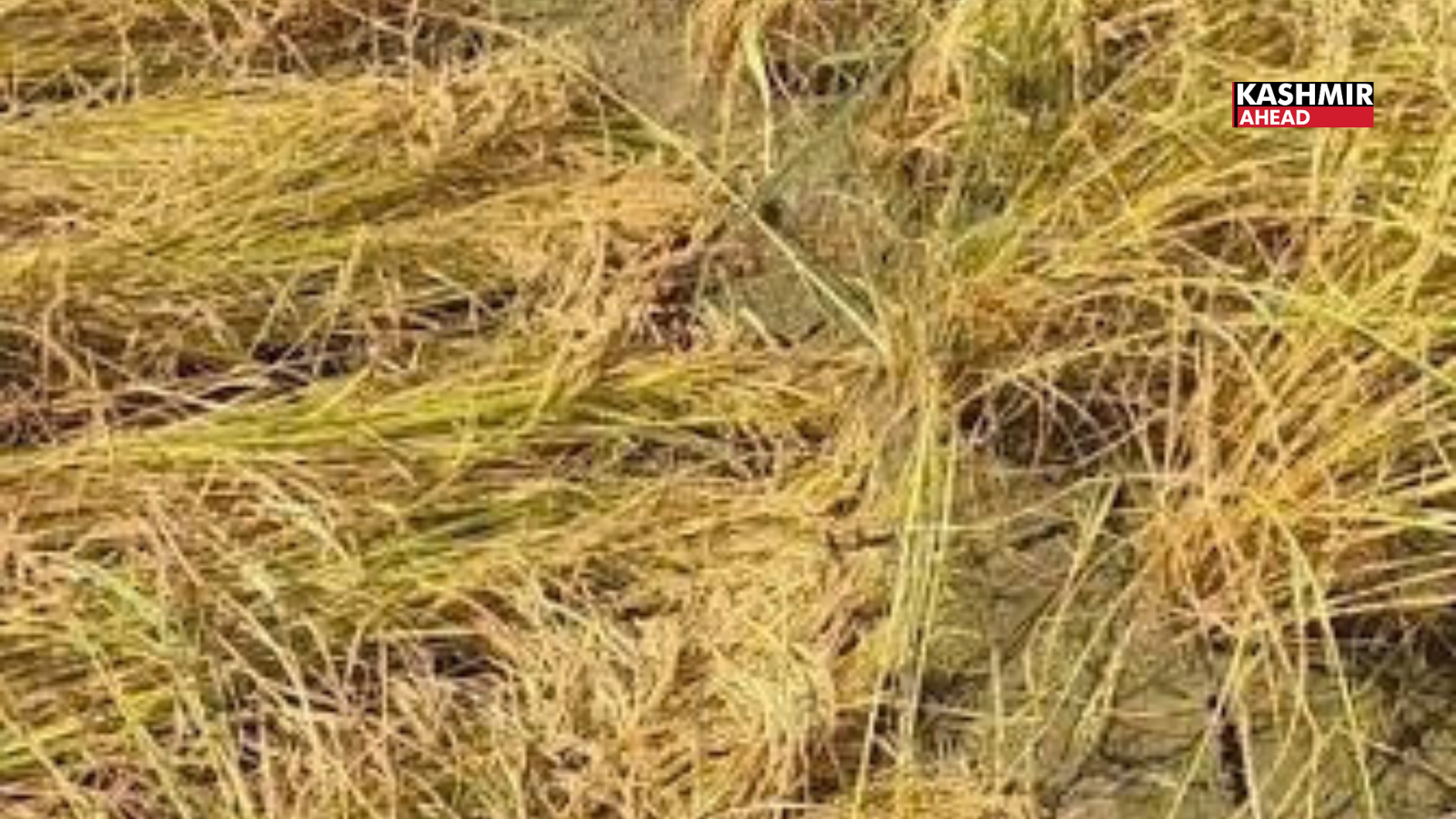
As autumn settles over the Valley, golden stretches of ripened paddy line the district’s fields while farmers and labourers cut, bundle and transport the crop. The harvest is the culmination of a long season of work, from sowing and transplanting to irrigation and crop care, and growers say the standing crop has fared well this year. Families across the district have joined in, continuing a seasonal routine that has been repeated for generations and remains central to rural life.
Officials Cite Encouraging Conditions
Officials of the Agriculture Department said crop conditions across the district remain encouraging. They attributed the favourable season in part to the timely availability of quality seeds and fertilisers, which they described as essential for a healthy crop and a good harvest. Certified seed and balanced nutrients, they noted, form the foundation on which the rest of the season’s work depends.
Officials added that regular field-level guidance was provided to farmers throughout the season. Departmental staff interacted with growers on crop management, monitoring of pests and diseases, and sound agronomic practices, helping them identify and address problems at an early stage. Such sustained engagement, officials said, helps farmers make informed decisions and reduces the risk of avoidable losses.
Importance of Kulgam’s Paddy Belt
Kulgam’s reputation rests on its fertile land, ample water supply from streams and canals, and a long tradition of paddy cultivation. Rice remains a staple in Kashmiri households, and the district’s produce makes a significant contribution to the region’s food requirements.
Beyond food security, paddy cultivation is a source of livelihood for a large number of farming families. It also sustains related activities such as agricultural labour, transportation, milling and local trade, making the harvest season an important period for the rural economy. For many households, income earned at this time of year helps meet expenses through the winter months.
Challenges Persist
Despite the positive outlook, farmers and agricultural experts note that the sector continues to face challenges. Unpredictable weather, rising input costs and the gradual conversion of agricultural land to other uses remain matters of concern. A favourable season, they say, should not obscure the need for long-term planning.
Stakeholders have also pointed to the need for improved irrigation infrastructure, wider adoption of modern farm machinery, and assured market access at remunerative prices. Strengthening these areas, they argue, would help farmers sustain productivity and improve their earnings.
Experts further emphasise sustainable practices, including efficient water use, balanced application of fertilisers and crop diversification, to preserve soil health and ensure the long-term viability of farming in the Valley.
Hopes for Favourable Weather
As harvesting gathers pace, farmers hope for dry and clear weather in the coming days. Such conditions are important for cutting, drying and threshing the crop without loss or damage to the grain. Once the process is complete, the produce will move to households, markets and mills across the region.
Farmers also hope that timely procurement and fair prices will allow them to benefit fully from their season’s labour, a concern common across paddy-growing areas.
The commencement of harvesting in Kulgam reflects the resilience of the Valley’s farming community and the value of timely agricultural support. With encouraging crop conditions and a hopeful farming community, the district looks set for a satisfactory season, offering a welcome picture of stability for the agricultural sector in South Kashmir.