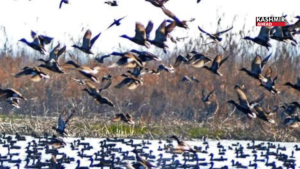
Srinagar, October 3, 2026-Jammu & Kashmir’s wetlands are once again preparing to welcome thousands of migratory birds as the winter season approaches. Ahead of their arrival, the Wildlife Protection Department has advised birdwatchers and photographers to avoid sharing exact locations, GPS coordinates or sensitive habitat details online, in order to protect these seasonal visitors from poaching and illegal hunting.
Advisory Against Sharing Sensitive Details
The department has appealed to nature enthusiasts to refrain from posting precise locations, GPS coordinates or sensitive habitat details on social media and other online platforms. The advisory is intended as a preventive measure, aimed at safeguarding the birds during their stay in the Valley and other parts of the Union Territory.
In the digital age, a single geo-tagged photograph can spread rapidly and reach thousands of people within hours. While most viewers may simply admire the image, such information can also reach those with harmful intentions. Publicly shared location details can make vulnerable habitats easier to find, exposing roosting and feeding sites to poachers and illegal hunters. Posts that appear harmless can therefore put at risk the very species people come to admire.
Wetlands: A Vital Seasonal Refuge
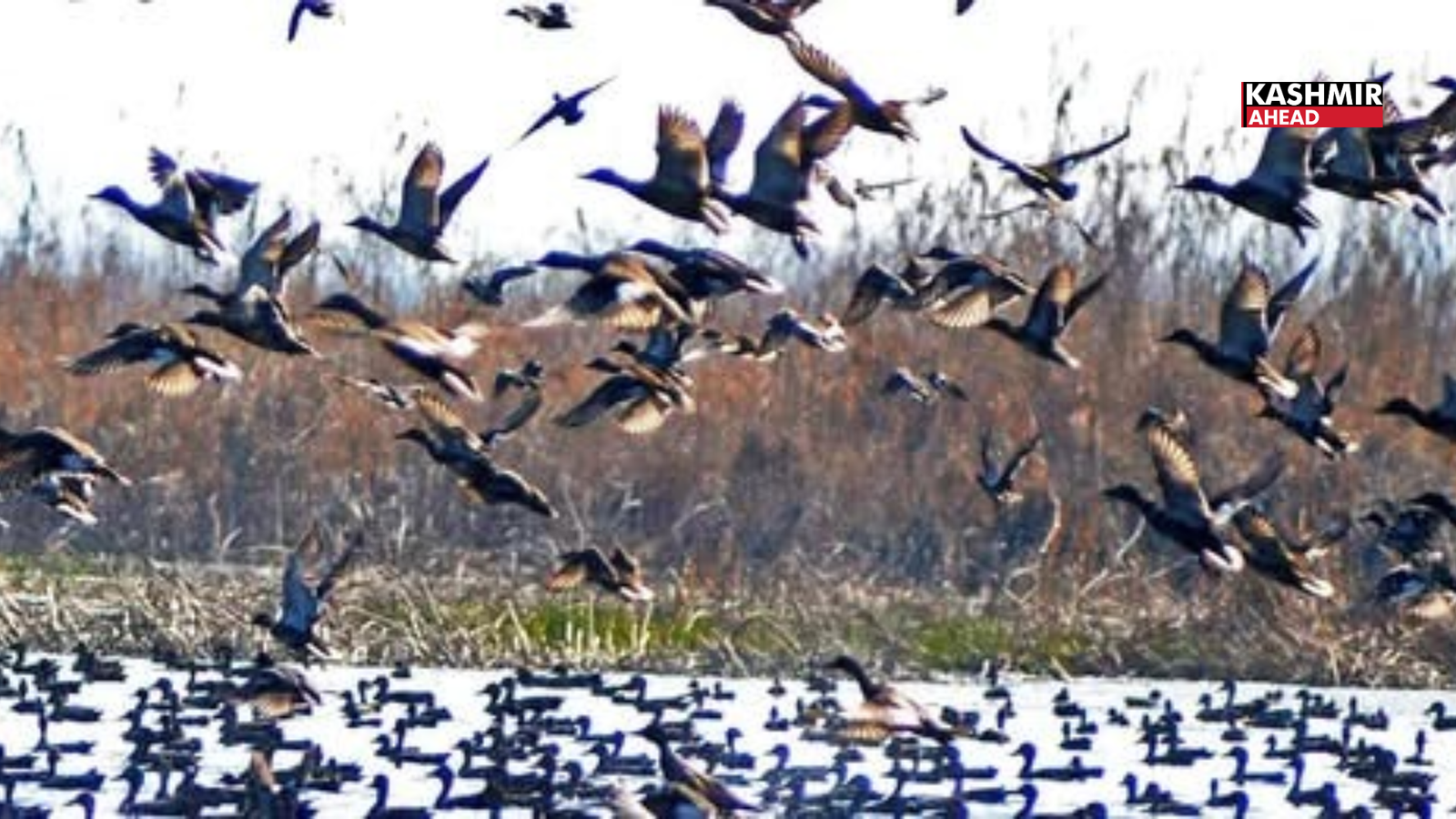
Every year, wetlands across Jammu & Kashmir become temporary homes for large numbers of migratory birds. These birds travel long distances to escape harsh winters in their breeding regions, relying on wetlands for food, water and shelter during the cold months.
Wetlands also play a wider ecological role. They support aquatic life, help regulate water systems and sustain a range of plant and animal species. Protecting them, and the birds that depend on them, is therefore a shared responsibility that extends beyond any single department.
The annual arrival of migratory birds also draws birdwatchers, wildlife photographers and nature lovers, strengthening the region’s profile as a destination for ecotourism and nature-based recreation.
How Birdwatchers and Photographers Can Help
The advisory underlines the important role of the public in wildlife conservation. Responsible practices include:
- Avoiding location tags: Share photographs without exact location tags or GPS coordinates.
- Using general descriptions: Mention only the district or region instead of precise spots.
- Respecting distance: Keep a safe distance from birds and avoid disturbing roosting and feeding areas.
- Reporting violations: Inform the Wildlife Protection Department about any suspicious or illegal hunting activity.
These simple steps allow enthusiasts to continue enjoying and documenting wildlife while keeping the birds safe.
Balancing Passion with Protection
Birdwatching and photography play a valuable role in building awareness about wildlife and its conservation. Many people are drawn to nature through a single memorable image. However, unchecked online sharing can have unintended consequences, particularly for species that are already vulnerable to hunting pressure.
The department’s appeal asks enthusiasts to weigh the excitement of sharing a rare sighting against the safety of the birds. Responsible sharing, officials suggest, ensures that the joy of birdwatching does not come at the cost of the species it celebrates.
Looking Ahead
As the season begins, the Wildlife Protection Department hopes that cooperation from birdwatchers, photographers and the general public will help keep the wetlands safe and undisturbed. With responsible practices and community support, Jammu & Kashmir can continue to serve as a welcoming winter home for thousands of migratory birds.