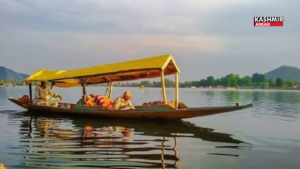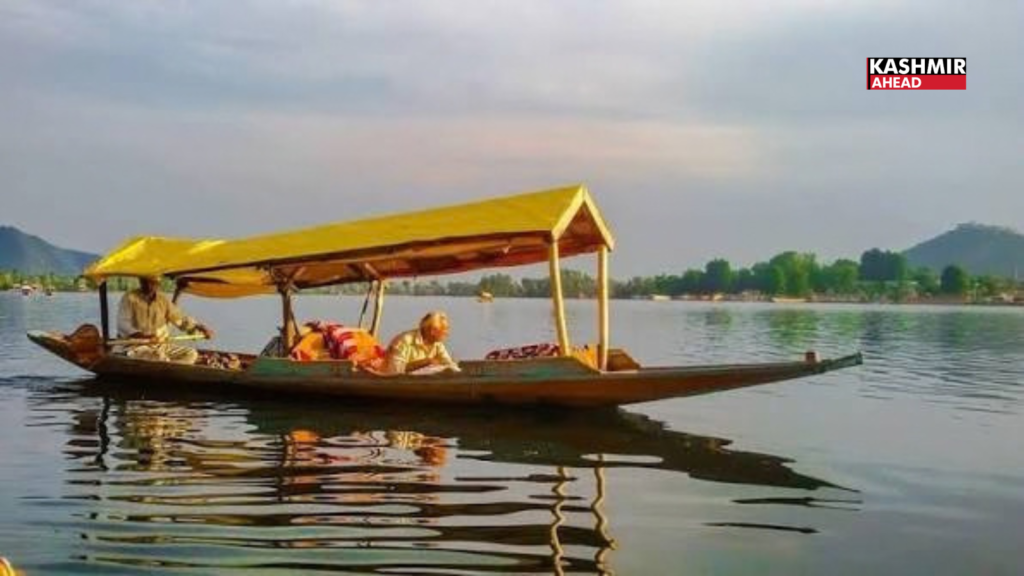
Bandipora, September 27,2026-For decades, Wular Lake has sat quietly in the shadow of Kashmir’s more celebrated water bodies, its vast waters admired by locals but rarely explored by the tourists who flock to Srinagar’s Dal Lake each year. That may be about to change. News of sanctioned government funding for viewpoints, a Water Sports Centre, and a broader upgrade of visitor facilities around the lake has sparked genuine excitement among Bandipora’s residents, many of whom see this as the moment their district finally gets its due on Kashmir’s tourism map.
Spread across the Bandipora district and fed by the Jhelum River, Wular is counted among the largest freshwater lakes in Asia. Its sheer scale has long made it an object of local pride, yet that same scale has made it difficult to manage. Years of siltation, unchecked encroachment along its banks, and pollution from surrounding settlements have chipped away at both its ecological health and its appeal as a destination. The new development push aims to tackle both problems at once — restoring the lake while simultaneously building the infrastructure needed to welcome visitors.
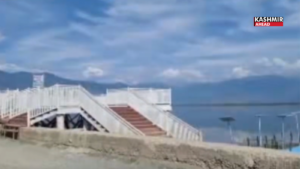
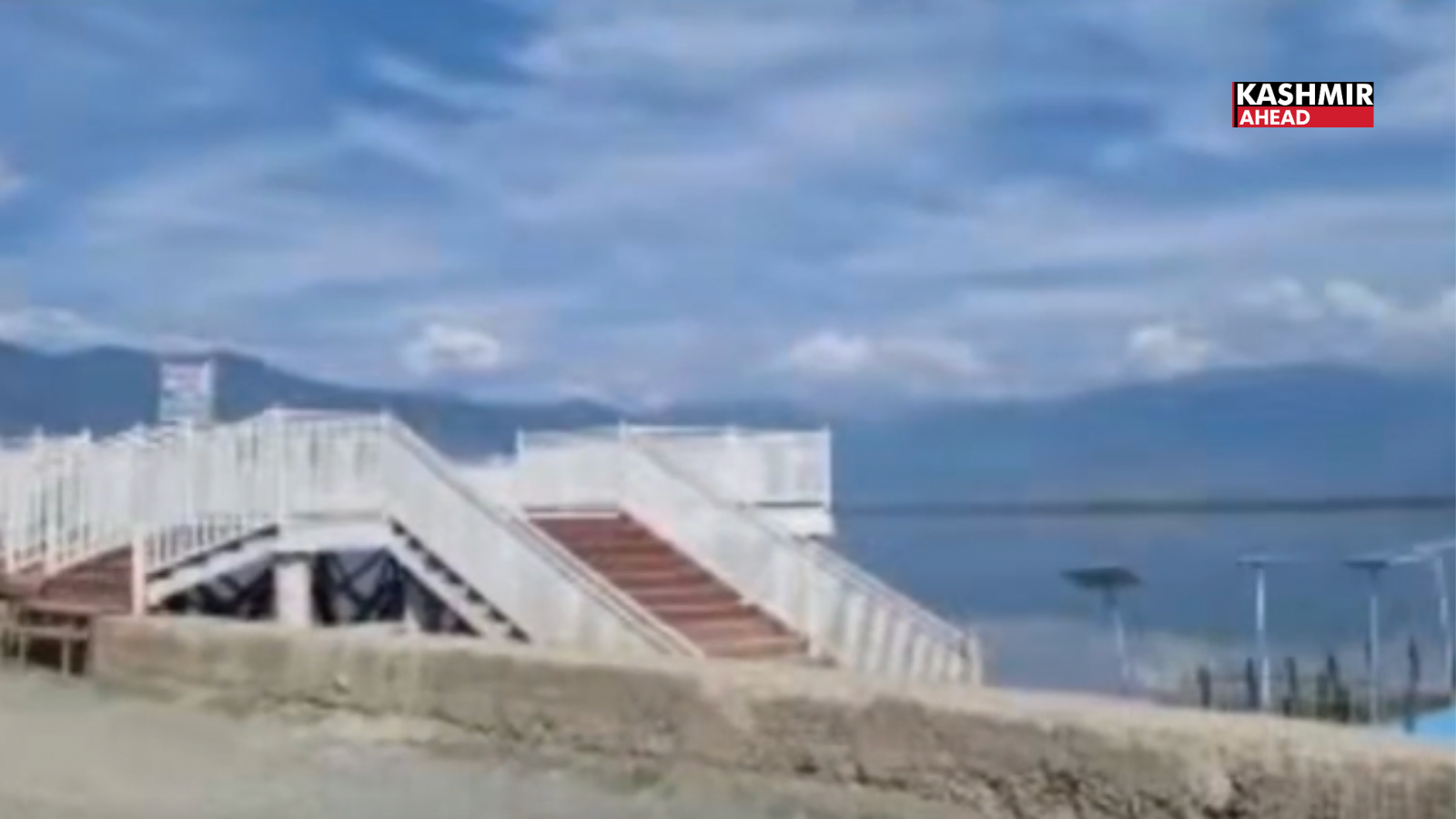
At the heart of the plan are a handful of concrete additions: designated viewpoints where tourists can take in the lake’s sweeping views, a Water Sports Centre expected to offer boating and other recreational activities, and general improvements to amenities that have historically been minimal or absent altogether. For a place that has relied largely on its natural beauty with little supporting infrastructure, these additions represent a significant shift in ambition.
Residents interviewed locally describe a mix of pride and optimism. Many speak of Wular not merely as a scenic asset but as something woven into the identity of Bandipora itself — a lake that has shaped local livelihoods, from fishing communities to willow harvesters, for generations. The idea that it might now become a genuine tourist draw, rather than a lake people simply live beside, has struck an emotional chord as much as an economic one.
That economic angle, however, is what has locals most animated. Bandipora has traditionally seen only a fraction of the visitor traffic that flows through Srinagar, Gulmarg, or Pahalgam. Small business owners in the area are already thinking ahead to the kinds of opportunities a functioning tourist circuit could bring: guesthouses, boat rentals, local guiding services, and food stalls catering to a steady stream of visitors rather than occasional, incidental footfall. Younger residents in particular see the Water Sports Centre as a potential source of stable, local employment — jobs that don’t require leaving the district to find work elsewhere.
Officials overseeing the project have been careful to frame it as more than a cosmetic makeover. Given Wular’s fragile ecological status, the emphasis has reportedly been on pairing tourism development with conservation work, including efforts to address silt buildup and reduce the lake’s shrinking water-holding capacity. The intent, as described, is to grow tourism without repeating the environmental mistakes that have already degraded parts of the lake.
Whether the plan delivers on its promise will depend on execution — on how quickly sanctioned funds translate into finished infrastructure, and on whether conservation efforts keep pace with tourism ambitions. But for now, the mood in Bandipora is one of cautious optimism. After years of watching Wular’s potential go largely unrealised, residents finally see a concrete plan pointing toward change, and many are eager to see what the lake — and their district — could become.