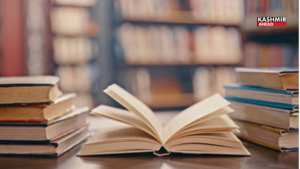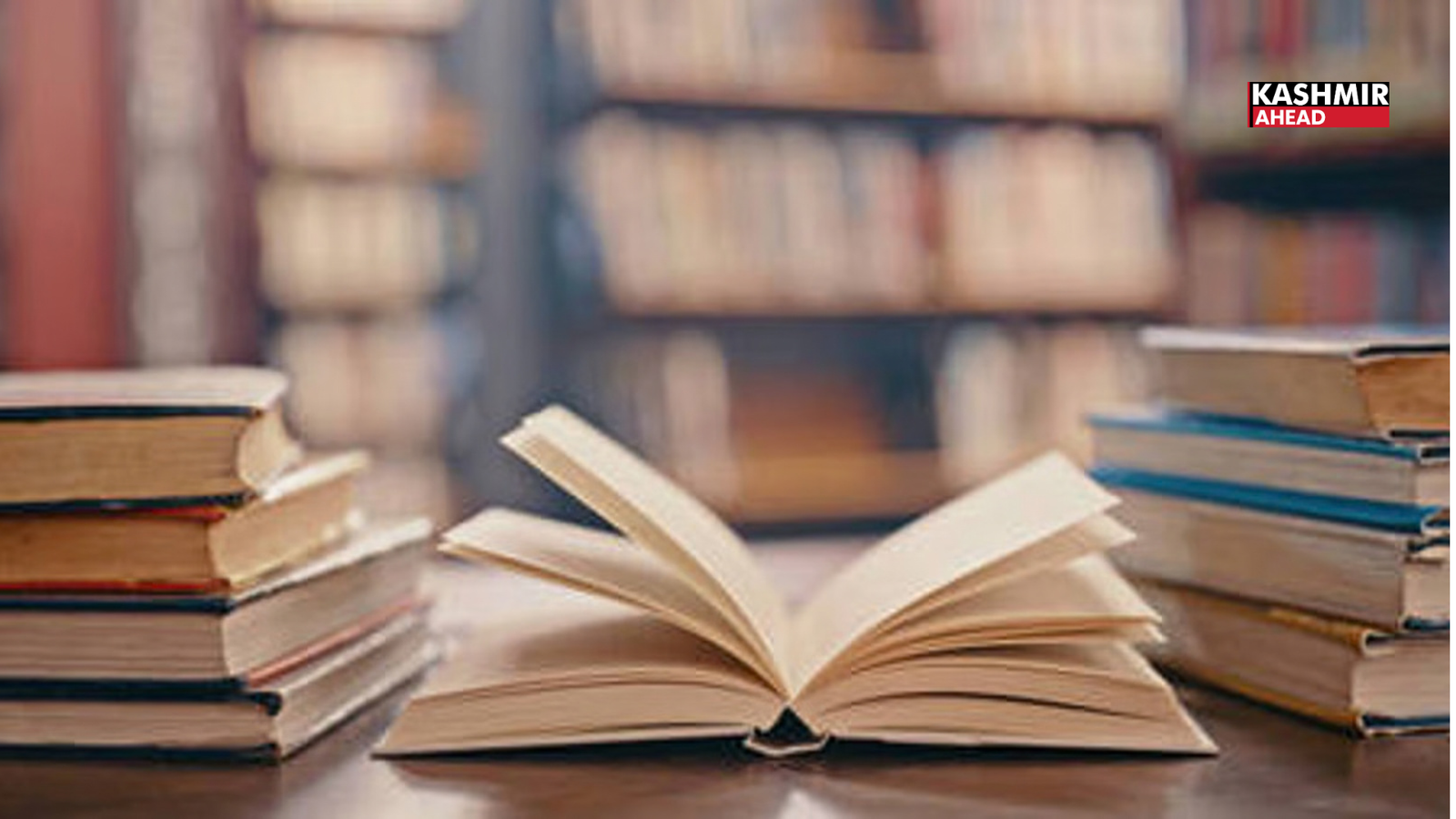
Kashmir, September 23,2026- A total of 4,249 books have been removed from libraries and higher educational institutions across Jammu and Kashmir, with an overwhelming majority — nearly 94 percent — of these removals taking place in the Kashmir division, according to a recent government reply on the matter.
The disclosure reveals that as part of an extensive review exercise, authorities have so far scrutinised 21,81,582 books and publications across the Union Territory’s network of libraries, colleges, universities, and other higher educational institutions. Out of this vast pool of scrutinised material, 4,249 titles were eventually flagged and subsequently removed from circulation.
The government reply, which addresses questions likely raised regarding the scope and scale of this scrutiny exercise, underscores that the process has been ongoing across multiple institutions in both the Kashmir and Jammu divisions. However, the sharply skewed distribution — with close to 94 percent of the removed books originating from Kashmir division libraries and institutions — has drawn attention to the geographic concentration of this exercise.
While the exact criteria used to identify and remove these books have not been elaborated upon in detail in the public disclosure, such scrutiny drives in the past have typically focused on content that authorities determine to be objectionable, provocative, or falling foul of existing laws governing publications, including material perceived to incite unrest, promote secessionist ideologies, or violate other regulatory frameworks applicable to educational and public institutions.
The scale of the review — spanning over 21 lakh books and publications — indicates a systematic and institution-wide audit rather than an isolated or localized action. This suggests that libraries attached to schools, degree colleges, universities, and other centers of higher learning across the region were all brought under the ambit of this scrutiny process.
Educational stakeholders, including academics, librarians, and civil society observers, have often weighed in on such exercises in the past, with some expressing concerns about the potential impact on academic freedom, access to diverse literature, and the broader intellectual environment within educational institutions. Others, meanwhile, have supported such reviews as a necessary measure to ensure that reading material available to students aligns with legal and constitutional frameworks, particularly in a region with a sensitive security and political history.
The government’s reply, by quantifying both the scope of scrutiny (over 21 lakh books reviewed) and the outcome (4,249 books removed), offers a rare data-backed glimpse into the extent of this ongoing exercise. It also implicitly highlights that the vast majority of scrutinised material — well over 99 percent — was found to not warrant removal, suggesting that the review, at least numerically, has resulted in a relatively small proportion of books being taken off shelves.
The concentration of removals in Kashmir division, as opposed to Jammu division, raises questions about whether this reflects differences in the nature of literature available in respective regional institutions, variations in scrutiny intensity across divisions, or other administrative and historical factors specific to each region’s educational infrastructure.
As this information becomes part of public record through official government responses, it is likely to prompt further questions from educational bodies, elected representatives, and civil rights organizations regarding transparency in the criteria used for such reviews, as well as calls for clarity on which specific titles and categories of books were affected.
For now, the figures stand as an official acknowledgment of a large-scale scrutiny exercise that has touched the shelves of libraries and institutions across Jammu and Kashmir, with its full implications for the region’s educational and intellectual landscape likely to unfold in the public discourse in the days ahead.