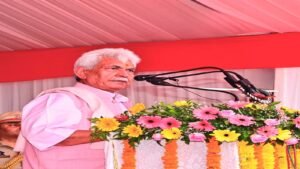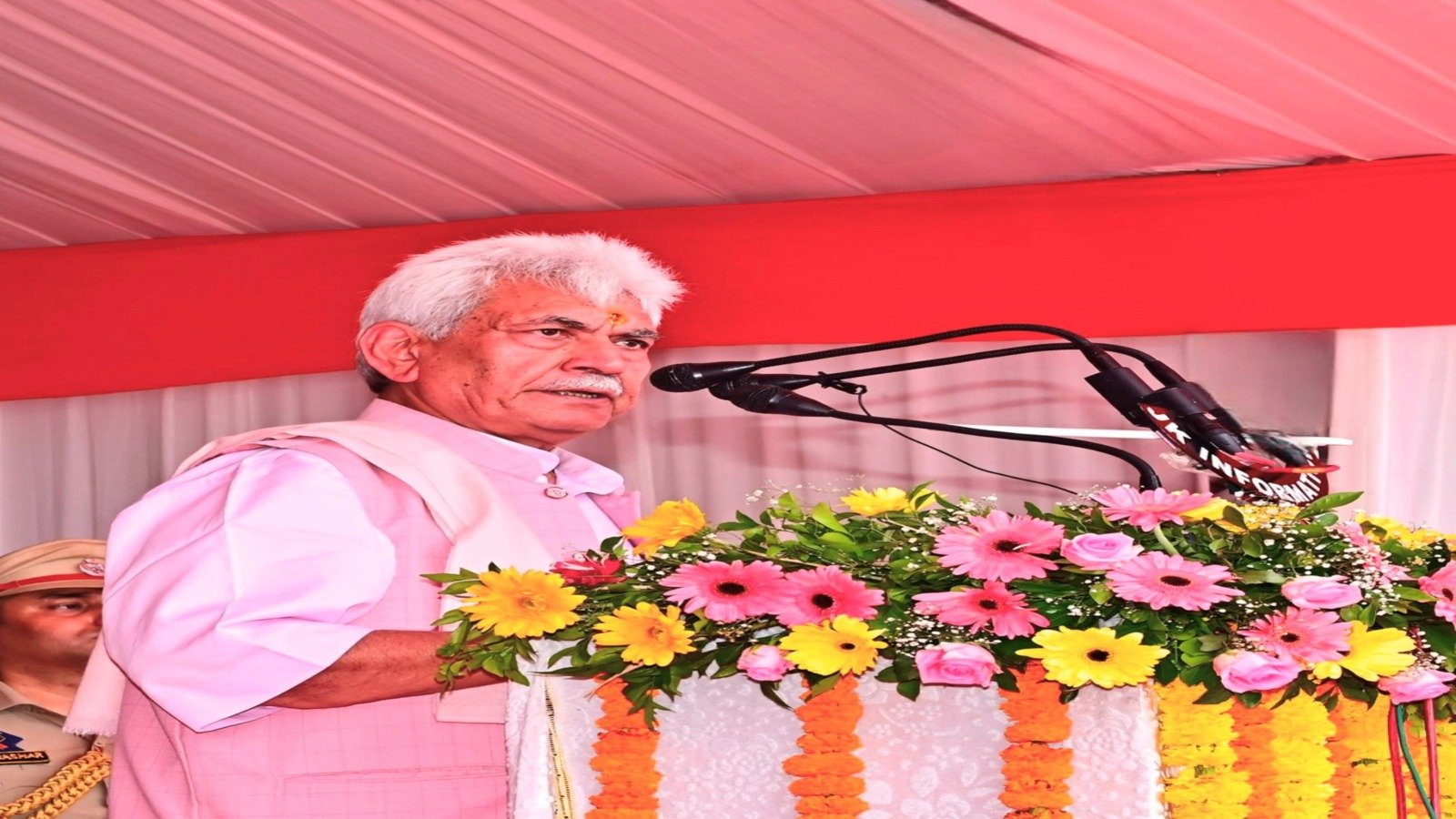
Kashmir, September 20, 2026 — Lieutenant Governor Manoj Sinha laid the foundation stones for two significant heritage restoration projects at Purmandal and Uttervehini, marking a major step in reviving Jammu & Kashmir’s ancient spiritual and cultural landmarks. The combined initiative, valued at over Rs. 14 crore, includes Rs. 7.15 crore earmarked for the renovation and revival of Purmandal’s heritage sites, and Rs. 6.85 crore allocated for restoration and development works at the sacred Uttervehini site.
Addressing the gathering at the foundation-laying ceremony, the Lieutenant Governor described the project as something far deeper than structural repair work. He characterized it as a bridge connecting India’s glorious past with a promising future, asserting that the preservation of history, sacred knowledge, and dharmic values forms the very lifeline of a nation. “A nation that forgets its heritage loses its foundation. But a nation that respects, preserves and revives its roots ensures that its future generations stand with confidence, resilience, self-belief and a strong sense of identity,” he said.
Purmandal, situated along the sacred Devika River, has for centuries drawn saints, sages, and spiritual seekers. Its ancient temples, intricate stone carvings, sacred ponds, and historical structures reflect exceptional architectural and artistic craftsmanship — much of it diminished over time due to neglect. Under the restoration plan, several key structures will be revived, including the old Lakshmi Narayan Temple, the old Shiva Temple, and the old Ram Temple at Purmandal, along with the historic temple complexes at Uttervehini. The work will combine modern conservation techniques with traditional architectural aesthetics to preserve authenticity while ensuring durability.
The Lieutenant Governor also spoke about the tourism potential unlocked by the project, noting that upgraded infrastructure — including improved pathways and lighting — would create smoother connectivity for pilgrims traveling to other prominent spiritual destinations such as Mata Vaishno Devi Ji, Shiv Khori, the Raghunath Temple, and Baba Amarnath Ji. He further linked the initiative to the region’s identity as “Chhoti Kashi,” suggesting that the restoration would make its spiritual essence more accessible to devotees from across the country and abroad.
Beyond religious and cultural significance, Sinha emphasized the strong economic dimension of heritage tourism. He explained that such initiatives typically boost local handicrafts, hospitality services, homestays, transportation, and food businesses, thereby generating employment opportunities for youth and opening new markets for artisans and small entrepreneurs. According to the Lieutenant Governor, every restored structure, every newly built pathway, and every visiting pilgrim would directly contribute to the economic prosperity of surrounding communities.
He placed special emphasis on the intergenerational value of the project, stating that when young people walk through the restored corridors of Purmandal and Uttervehini and witness centuries-old art and culture preserved with care, it instills pride and strengthens their connection to their heritage. He commended the district administration and all stakeholders involved and expressed hope that citizens would actively participate in protecting these sacred sites for future generations.
Drawing a wider comparison, Sinha noted that in India’s journey toward becoming a developed nation, safeguarding cultural identity holds as much importance as constructing highways, digital networks, and industrial corridors. “Physical development gives momentum to the region and cultural heritage gives society direction and soul,” he remarked.
The Lieutenant Governor reaffirmed his commitment to strengthening road connectivity to both Purmandal and Uttervehini. He also acknowledged the Samba district administration’s efforts in allocating land for the upcoming Mata Devika Ved Pathshala in Purmandal, revealing that construction funding would soon be sanctioned through the Shri Mata Vaishno Devi Shrine Board.
The event also marked the launch of the GCC Gurha Slathia magazine. Prominent attendees included MLA Chander Prakash Ganga, Principal Secretary of Culture Brij Mohan Sharma, Divisional Commissioner Jammu Ramesh Kumar, senior police officials, Deputy Commissioner Samba Ayushi Sudan, religious leaders, and a large gathering of devotees and local citizens.