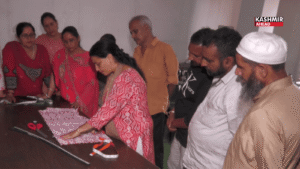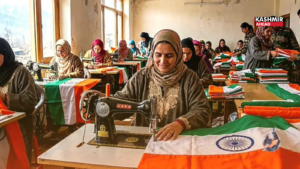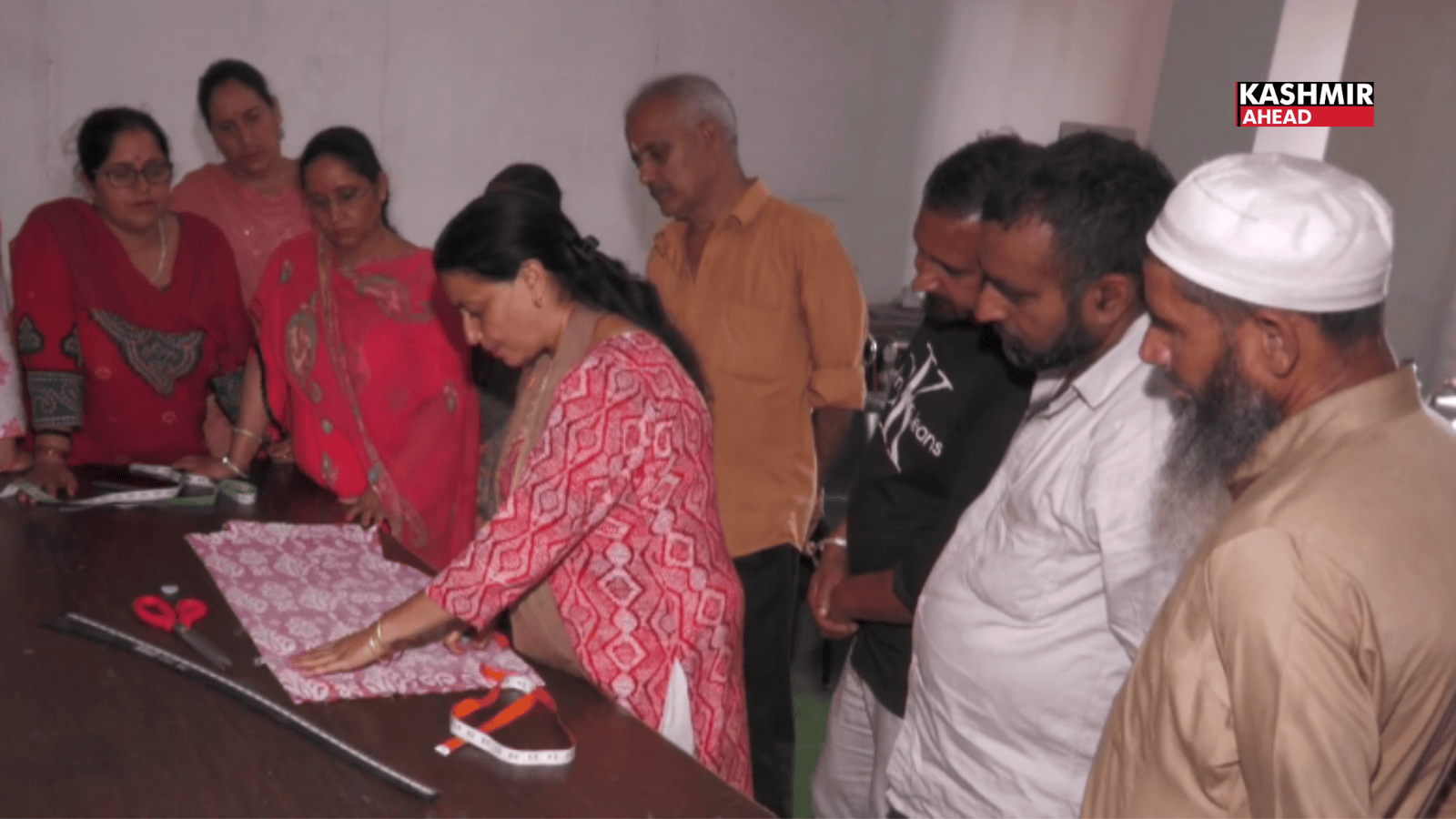
Udhampur, September 16,2026– In workshops and training halls across Udhampur, tailors who once relied solely on hand-me-down techniques are now learning modern cutting and stitching methods. Barbers are picking up contemporary grooming styles. Carpenters are training on updated tools and finishing techniques. The common thread running through these transformations is the PM Vishwakarma Scheme, the Central government’s initiative to modernise India’s traditional artisan economy.
The scheme supports craftsmen and artisans who work with their hands and traditional tools, and covers eighteen trades in all — including carpenters, blacksmiths, masons, potters, tailors, barbers, goldsmiths, cobblers, washermen and toy makers, among others. In Udhampur, participation has been steady: the district has recorded nearly 8,000 registrations under the scheme, placing it among the more active districts in the Jammu division.
Training under the scheme unfolded in phases. The first batch of skilling in the district began in January 2024, when the National Skill Development Corporation organised a five-day programme on cutting, tailoring and barbering skills, marking the start of PM Vishwakarma training in the Jammu division. Udhampur’s Deputy Commissioner inaugurated that batch and interacted with the trainees, underlining the scheme’s role in the socio-economic upliftment of traditional artisans, while senior police and administrative officials, along with representatives of the local trust running the programme, attended the launch.
That initial five-day orientation has since given way to more intensive instruction. Under the scheme’s design, artisans first receive basic training lasting five to seven days, after which those who wish to go further can opt for advanced training extending to fifteen days or more. It is this 15-day advanced course — now running for tailors, barbers, carpenters and other trades in Udhampur — that is pushing local artisans beyond basic refreshers and into genuinely new techniques: precision cutting, modern finishing, updated tools and small-business practices that were previously out of reach for craftspeople working in the unorganised sector.
The financial architecture behind the training is designed to make participation viable for artisans who often cannot afford to step away from daily earnings. Trainees receive a stipend of Rs 500 per day during the course, cushioning the income they forgo while attending sessions. Once training is complete, the scheme does not stop at certification. Eligible beneficiaries also get modern toolkits, collateral-free loans of up to Rs 3 lakh, and support to help them market their products and services, while a toolkit e-voucher of Rs 15,000 helps them purchase updated equipment. An incentive of Re 1 per digital transaction further encourages a shift toward digital payments.
Officials overseeing the scheme’s rollout in Jammu and Kashmir have flagged Udhampur as one of the districts with strong uptake. Review meetings on the scheme’s implementation in the Union Territory have specifically noted Udhampur among the districts with the highest number of Level-3 verified registrations across trades such as tailoring, carpentry, masonry, barbering and basket-making, reflecting both administrative follow-through and artisan interest on the ground.
For the tailors, barbers and carpenters going through the 15-day course, the appeal lies less in the certificate and more in what comes after — sharper skills, better tools, and a credit line that was previously out of reach for artisans operating informally. Most beneficiaries under the scheme nationally come from Dalit, tribal, backward and rural-women communities, groups for whom formal skilling and collateral-free credit have historically been difficult to access.
As batches continue to roll out, district officials say the emphasis remains on ensuring that training translates into higher productivity and sustained livelihoods — turning a scheme built on paper into visible change in Udhampur’s workshops and street-side stalls.