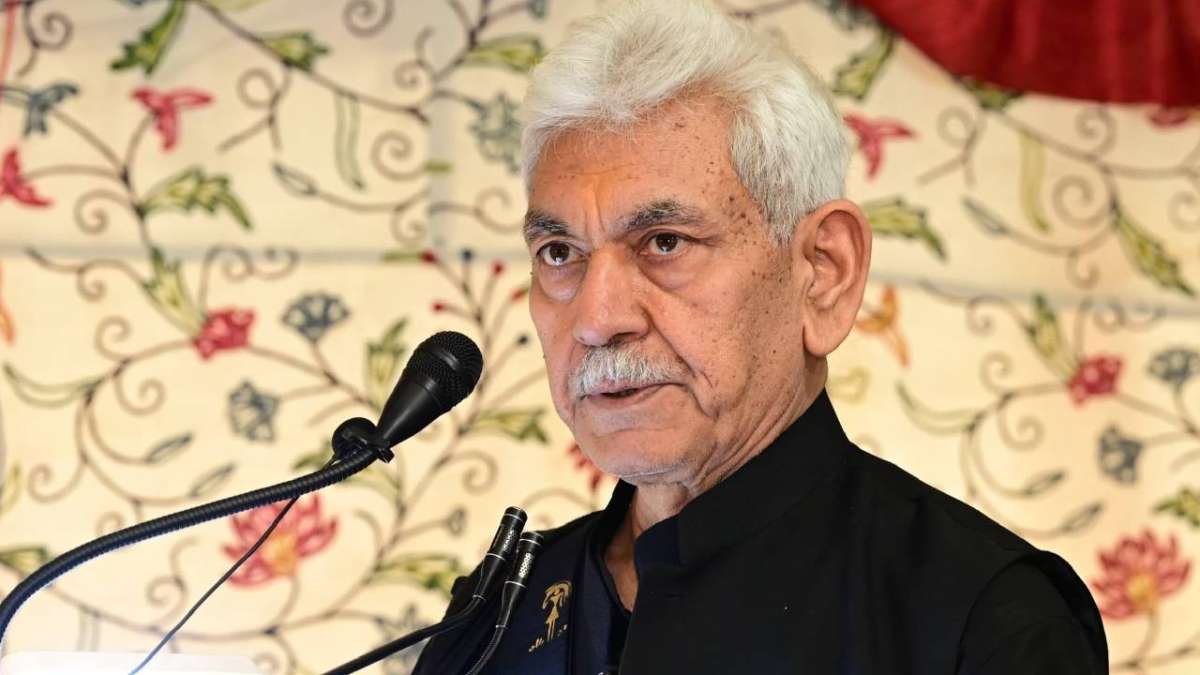
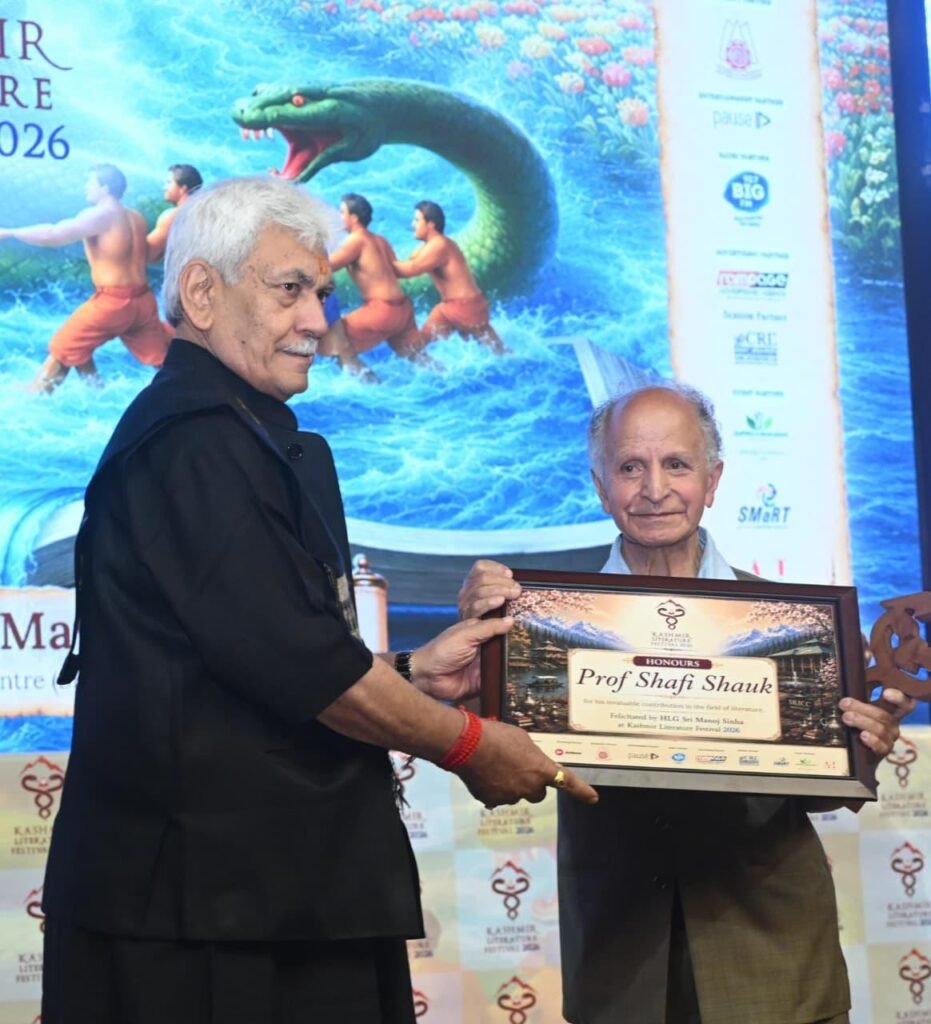
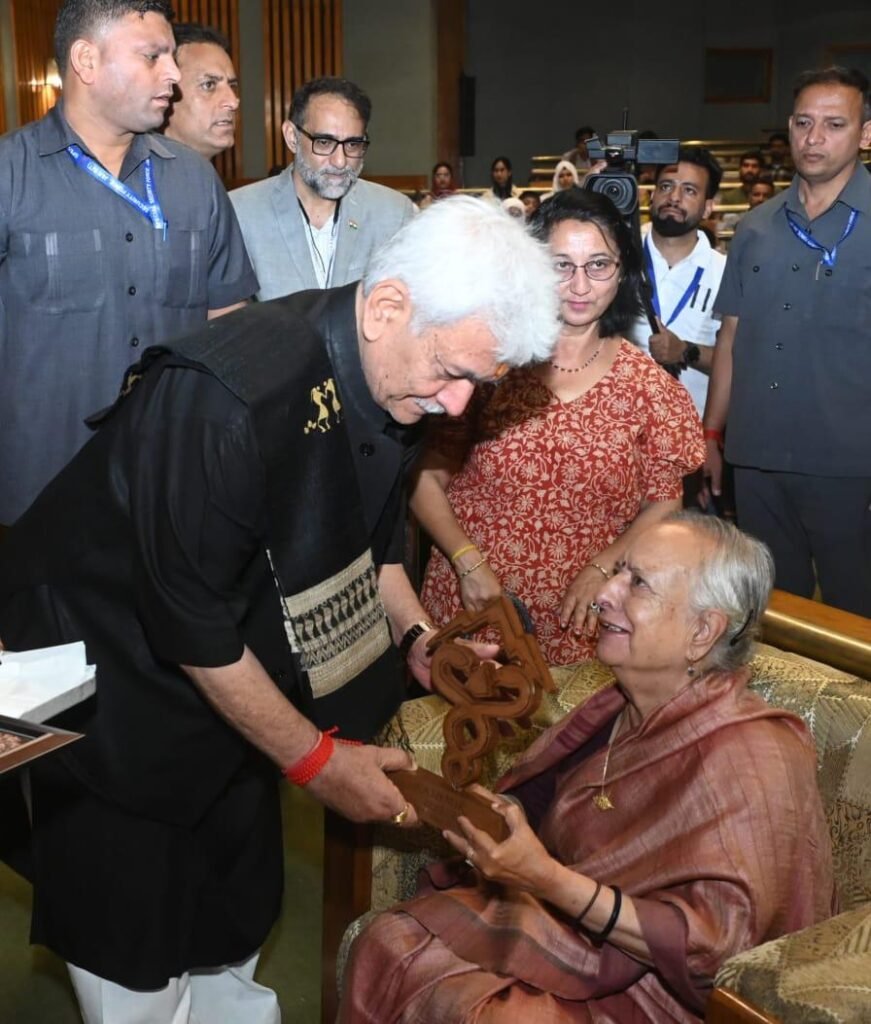
Srinagar, May 30,2026- Lieutenant Governor Manoj Sinha has underscored the transformative role of literature in shaping societies, asserting that a single literary work can often leave a deeper and more lasting impact than vast sums of money spent through institutional efforts. Speaking at the Kashmir Literature Festival 2026 at the Sher-i-Kashmir International Conference Centre (SKICC) in Srinagar, the Lieutenant Governor reflected on the enduring significance of literature, intellectual inquiry, and civilisational wisdom in nation-building.
Addressing a gathering of eminent writers, scholars, poets, researchers, students, and literary enthusiasts, Sinha highlighted the importance of preserving and promoting India’s rich literary traditions while encouraging contemporary voices to contribute to the country’s intellectual and cultural discourse.
He said that while infrastructure, institutions, and economic investments play an important role in societal development, the influence of ideas expressed through literature often extends far beyond generations. According to the Lieutenant Governor, literary works have the unique ability to shape public consciousness, inspire social change, preserve collective memory, and guide future generations.
“History offers countless examples where a single book, poem, or literary work transformed societies, inspired reform movements, and influenced the course of nations,” he observed. “The written word possesses a remarkable power to touch hearts, provoke thought, and inspire action in ways that material resources alone cannot achieve.”
Literature as a Force for Social Transformation
The Lieutenant Governor stressed that literature has historically served as one of humanity’s most powerful tools for communication, reflection, and transformation. Through stories, poetry, essays, and philosophical works, societies have transmitted values, challenged injustice, and envisioned better futures.
He noted that many of the world’s most influential movements have been inspired by writers and thinkers whose works transcended their immediate context to become universal expressions of human aspiration. Literary creations, he said, often continue to influence society long after the institutions and structures of their time have faded into history.
According to Sinha, literature serves not merely as entertainment or artistic expression but as a medium through which societies understand themselves. It provides insight into human experiences, preserves cultural traditions, and encourages critical thinking.
The Lieutenant Governor urged young people to engage with literature not only as readers but also as creators, emphasizing that every generation has a responsibility to contribute to the ongoing story of its society and civilisation.
Kashmir’s Rich Legacy of Learning and Scholarship
Reflecting on the cultural and intellectual heritage of Jammu and Kashmir, Sinha said the region has historically been a centre of learning, scholarship, and creativity. For centuries, Kashmir has produced renowned scholars, philosophers, poets, historians, and spiritual leaders whose contributions have enriched the intellectual traditions of the Indian subcontinent and beyond.
The Lieutenant Governor observed that Kashmir’s history is marked by a vibrant tradition of knowledge creation and cultural exchange. Ancient centres of learning, philosophical debates, literary achievements, and artistic excellence have long formed an integral part of the region’s identity.
“Kashmir has never been merely a geographical region,” he said. “It has been a meeting ground of ideas, a centre of scholarship, and a source of cultural inspiration for generations.”
He pointed out that the Valley’s literary and intellectual traditions have contributed significantly to philosophy, spirituality, aesthetics, history, and language. These traditions, he noted, continue to inspire contemporary scholars and writers.
Sinha stressed that preserving and promoting Kashmir’s cultural heritage is essential for future generations. He called upon educational institutions, cultural organisations, and literary communities to ensure that the region’s intellectual legacy remains accessible and relevant in the modern era.
India’s Vast Reservoir of Civilisational Wisdom
One of the most notable aspects of the Lieutenant Governor’s address was his reference to India’s immense intellectual and civilisational heritage. Drawing an analogy from Indian mythology, he remarked that India’s literary and intellectual community resembles Hanuman before he realised his extraordinary strength and capabilities.
The comparison highlighted what Sinha described as a tendency to underestimate the depth and richness of India’s knowledge traditions. He argued that the country possesses an unparalleled reservoir of wisdom accumulated over thousands of years through philosophical inquiry, scientific exploration, artistic expression, and spiritual reflection.
According to the Lieutenant Governor, India has made significant contributions to fields ranging from mathematics and astronomy to philosophy, medicine, linguistics, and literature. However, he suggested that there remains a need for greater recognition and appreciation of these achievements.
“Like Hanuman before he was reminded of his powers, we often fail to fully recognise the immense intellectual wealth that our civilisation possesses,” he said. “Our responsibility is to rediscover, preserve, and share this wisdom with the world.”
He emphasized that India’s civilisational heritage should not be viewed merely as a matter of historical pride but as a living source of inspiration capable of addressing contemporary challenges.
The Role of Writers and Intellectuals
The Lieutenant Governor called upon writers, scholars, researchers, and intellectuals to take an active role in documenting and interpreting India’s journey in the modern era. He noted that literature serves as an important bridge between the past and the future, helping societies understand where they have come from and where they are headed.
He encouraged authors and academics to engage with issues of national significance while remaining rooted in cultural and ethical values. According to Sinha, intellectuals have a unique responsibility to foster dialogue, encourage critical thinking, and contribute to informed public discourse.
He also stressed the importance of nurturing young talent and creating opportunities for emerging writers to share their perspectives. Literature festivals, academic conferences, and cultural forums, he said, play an important role in encouraging creativity and intellectual engagement.
The Lieutenant Governor observed that the digital age presents both opportunities and challenges for literature. While technology has expanded access to knowledge and created new platforms for expression, it has also increased the need for thoughtful, well-researched, and meaningful content.
Literature in the Digital Era
Discussing the evolving role of literature in contemporary society, Sinha acknowledged that rapid technological changes have transformed the way people consume information and engage with ideas. Despite these changes, he maintained that the fundamental value of literature remains unchanged.
He noted that while digital platforms have accelerated communication, literature continues to offer depth, reflection, and perspective that cannot always be found in fast-paced online environments.
According to the Lieutenant Governor, books and literary works provide opportunities for sustained engagement with complex ideas. They encourage readers to think critically, develop empathy, and explore different perspectives.
He urged educational institutions to promote reading habits among young people and integrate literary appreciation into broader efforts to foster intellectual development.
Celebrating Cultural and Literary Diversity
The Kashmir Literature Festival brought together participants from diverse linguistic, cultural, and academic backgrounds. The event featured discussions on literature, history, culture, philosophy, and contemporary social issues.
Writers and scholars participating in the festival highlighted the importance of preserving linguistic diversity and encouraging literary expression in regional languages. Several speakers noted that India’s strength lies in its cultural plurality and rich traditions of storytelling.
The festival also provided a platform for emerging voices to engage with established authors and intellectuals. Through panel discussions, poetry readings, book launches, and interactive sessions, participants explored the evolving role of literature in contemporary society.
The Lieutenant Governor praised the organisers for creating a forum that encourages dialogue, creativity, and intellectual exchange. He said such events strengthen cultural bonds and contribute to the development of an informed and engaged citizenry.
Building a Knowledge Society
Sinha emphasized that India’s future growth depends not only on economic progress but also on intellectual and cultural development. He argued that societies thrive when they invest in education, creativity, innovation, and knowledge creation.
The Lieutenant Governor said literature plays a vital role in building a knowledge society by encouraging curiosity, imagination, and lifelong learning. He urged policymakers, educators, and community leaders to support initiatives that promote reading, writing, research, and cultural engagement.
He also highlighted the importance of making literature accessible to wider audiences through libraries, digital platforms, translation projects, and educational programmes.
According to Sinha, strengthening literary and intellectual ecosystems can contribute significantly to social cohesion, cultural preservation, and national development.
A Vision Rooted in Heritage and Innovation
Concluding his address, the Lieutenant Governor reiterated that literature remains one of the most powerful instruments for shaping societies and preserving civilisational values. He said the enduring impact of great literary works serves as a reminder that ideas often outlast material achievements.
He called upon citizens to take pride in India’s intellectual heritage while embracing innovation and creativity. By combining ancient wisdom with contemporary knowledge, he suggested, the country can continue to contribute meaningfully to global thought and progress.
As the Kashmir Literature Festival 2026 concluded its sessions for the day, the Lieutenant Governor’s remarks resonated strongly with participants, reaffirming the importance of literature, scholarship, and intellectual engagement in an increasingly complex and interconnected world.
His message was clear: while institutions and investments remain important, the power of ideas expressed through literature continues to shape societies in profound and lasting ways. In celebrating Kashmir’s rich legacy of learning and India’s vast reservoir of civilisational wisdom, he called for a renewed commitment to knowledge, creativity, and cultural understanding as foundations for the future.