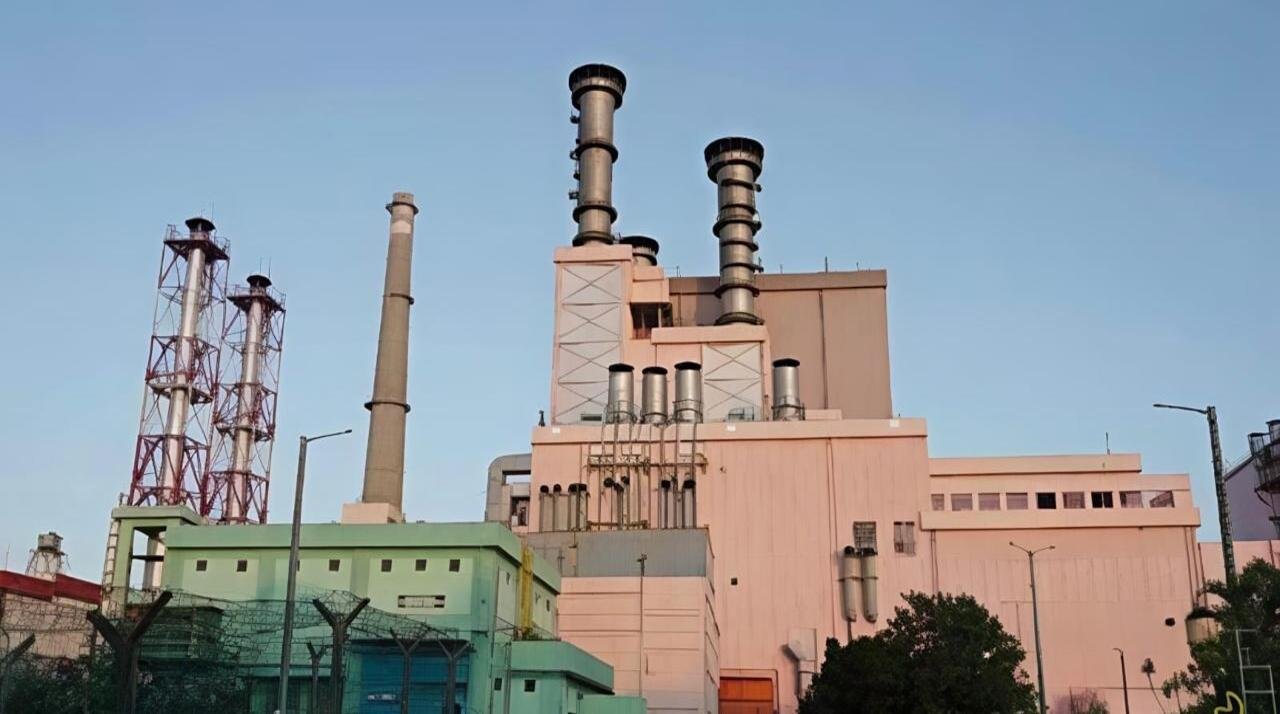
Kashmir, April 7,2026- In a landmark development for India’s nuclear energy sector, the indigenously designed and built Prototype Fast Breeder Reactor (PFBR) at Kalpakkam has successfully attained criticality, marking a decisive step in the country’s second stage of its nuclear programme.
The milestone represents a significant advancement in India’s three-stage nuclear power strategy, aimed at achieving long-term energy security. The PFBR, developed by the Indira Gandhi Centre for Atomic Research (IGCAR), is a state-of-the-art reactor designed to generate more fissile material than it consumes, a key feature of fast breeder technology.
Scientists and engineers hailed the achievement as a testament to India’s growing expertise in advanced nuclear technologies. The reactor’s ability to produce excess fuel will play a crucial role in supporting the transition to the third stage of the nuclear programme, which focuses on utilising the country’s vast thorium reserves.
Officials emphasized that this breakthrough strengthens India’s position in the global nuclear energy landscape while promoting sustainable and efficient energy production. The development is expected to enhance the nation’s capability to meet rising energy demands while reducing dependence on fossil fuels.
The success of the PFBR highlights the dedication and innovation of Indian scientists and engineers, whose efforts have culminated in this historic accomplishment. It also reflects the government’s commitment to strengthening indigenous research, development, and technological self-reliance in critical sectors.
The attainment of criticality at Kalpakkam is being celebrated as a proud moment for the nation, reinforcing confidence in India’s long-term vision for clean and sustainable nuclear energy.