Srinagar, January 24,2026- Kashmir’s centuries-old Copper Naqashi craft, including the traditional art of Samavaar making, is steadily declining as cheap machine-made products flood the market and demand for handcrafted copperware continues to fall.
Artisans associated with the craft say the rise of mass-produced alternatives has severely affected their livelihood, making it difficult for traditional copper craftsmen to compete on price and scale. Once an essential part of Kashmiri households and cultural ceremonies, handcrafted copper items are now largely confined to souvenir shops and niche buyers.
Veteran artisans expressed concern that the younger generation is increasingly reluctant to take up the profession. “The work is labour-intensive and returns are low. Young people prefer other jobs that offer stable income,” said a copper Naqashi artisan in Srinagar’s old city.
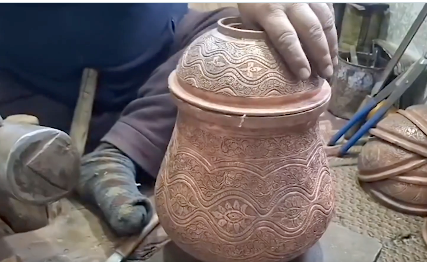
The intricate Naqashi process involves hand-hammering, engraving, and detailed floral or calligraphic designs—skills passed down through generations. However, artisans say lack of government support, limited market access, and absence of modern marketing platforms have pushed the craft to the brink.
Cultural experts warn that without timely intervention, Kashmir risks losing an important part of its artistic heritage. They have called for focused efforts including skill training, design innovation, financial assistance, and promotion through exhibitions and online platforms to revive interest in traditional copper craftsmanship.
Unless concrete measures are taken, artisans fear that Copper Naqashi and Samavaar making may soon survive only as museum exhibits rather than living traditions.