Skip to main content
Kashmir Ahead
Facebook-f
X-twitter
Instagram
Youtube
Subscribe Now
Menu
Home
News
Videos
Youth Zone
Success Stories
Agriculture – Horticulture
Women Empowerment
Tourism
Job Opportunities
Live
Menu
Home
News
Videos
Youth Zone
Success Stories
Agriculture – Horticulture
Women Empowerment
Tourism
Job Opportunities
Home
News
Videos
Youth Zone
Success Stories
Agriculture – Horticulture
Women Empowerment
Tourism
Job Opportunities
Subscribe Now
Menu
Home
News
Videos
Youth Zone
Live
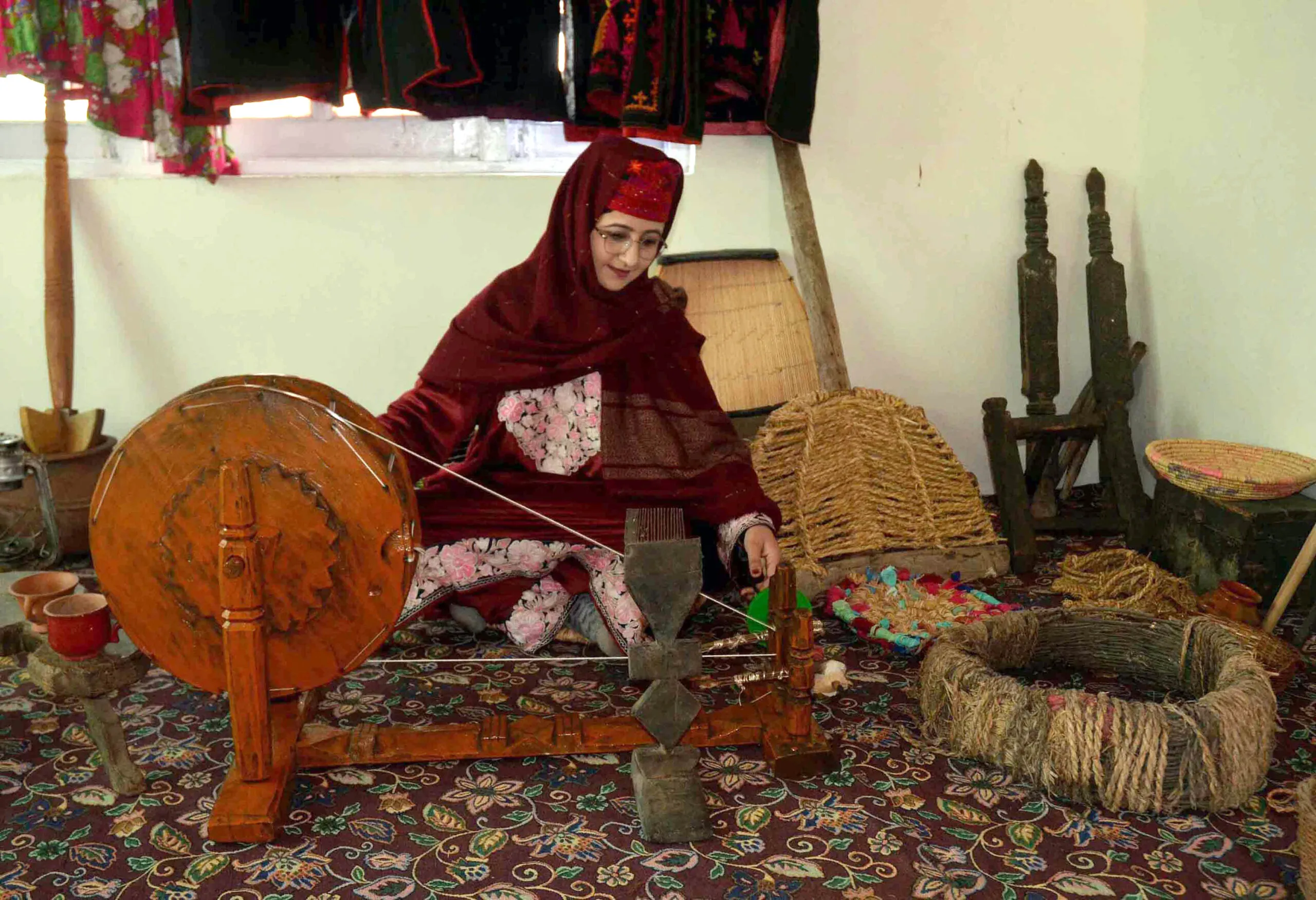
Women, weaves and memory: Bandipora’s Shahida Khanum leads tribal art revival
News Desk Kashmir Ahead
January 19, 2026
5:15 am
Women Success Stories
News
Video
National
Jammu
Jammu
Politics
News Desk Kashmir Ahead
Search
Search
Yawar Abdal launches new song ‘Aagaz’ in collaboration with Kashmir Box in Srinagar
First Mahindra automobile rake arrives at Samba cargo terminal with 108 Scorpio SUVs
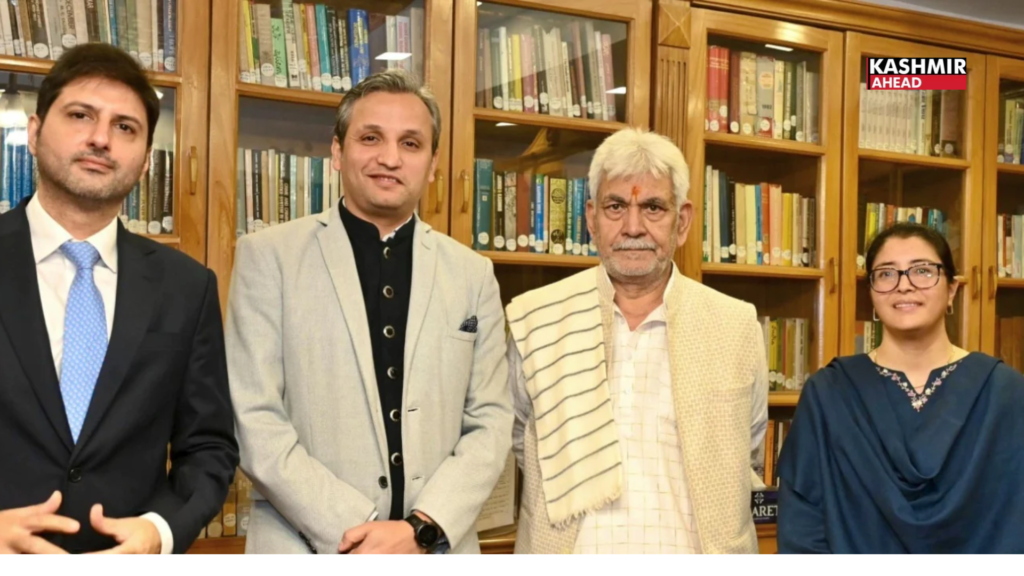
LG Manoj Sinha Interacts with 2011-Batch IFS Officers in Srinagar, discusses global outreach
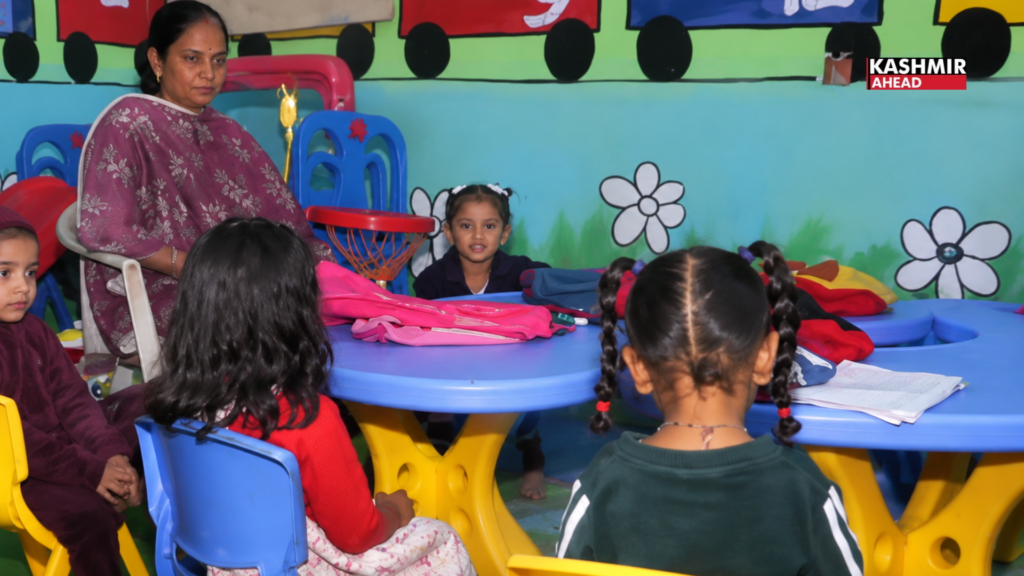
Four Anganwadi centres modernised under PMAGY in Udhampur to boost early childhood learning
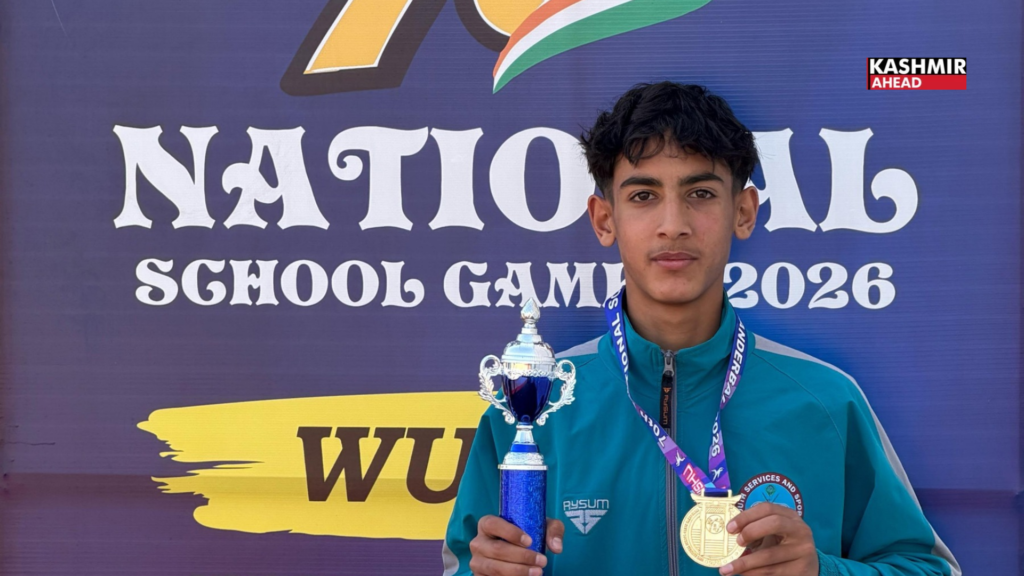
APS Srinagar Student Momin Ali wins Gold at National School Games 2026
Budgam Aerospace Engineer Sadiq Ali Mir named to National Space Society’s Inaugural 30 under 30
Yawar Abdal launches new song ‘Aagaz’ in collaboration with Kashmir Box in Srinagar
First Mahindra automobile rake arrives at Samba cargo terminal with 108 Scorpio SUVs
LG Manoj Sinha Interacts with 2011-Batch IFS Officers in Srinagar, discusses global outreach
Four Anganwadi centres modernised under PMAGY in Udhampur to boost early childhood learning
APS Srinagar Student Momin Ali wins Gold at National School Games 2026
Budgam Aerospace Engineer Sadiq Ali Mir named to National Space Society’s Inaugural 30 under 30
×